Selected Works
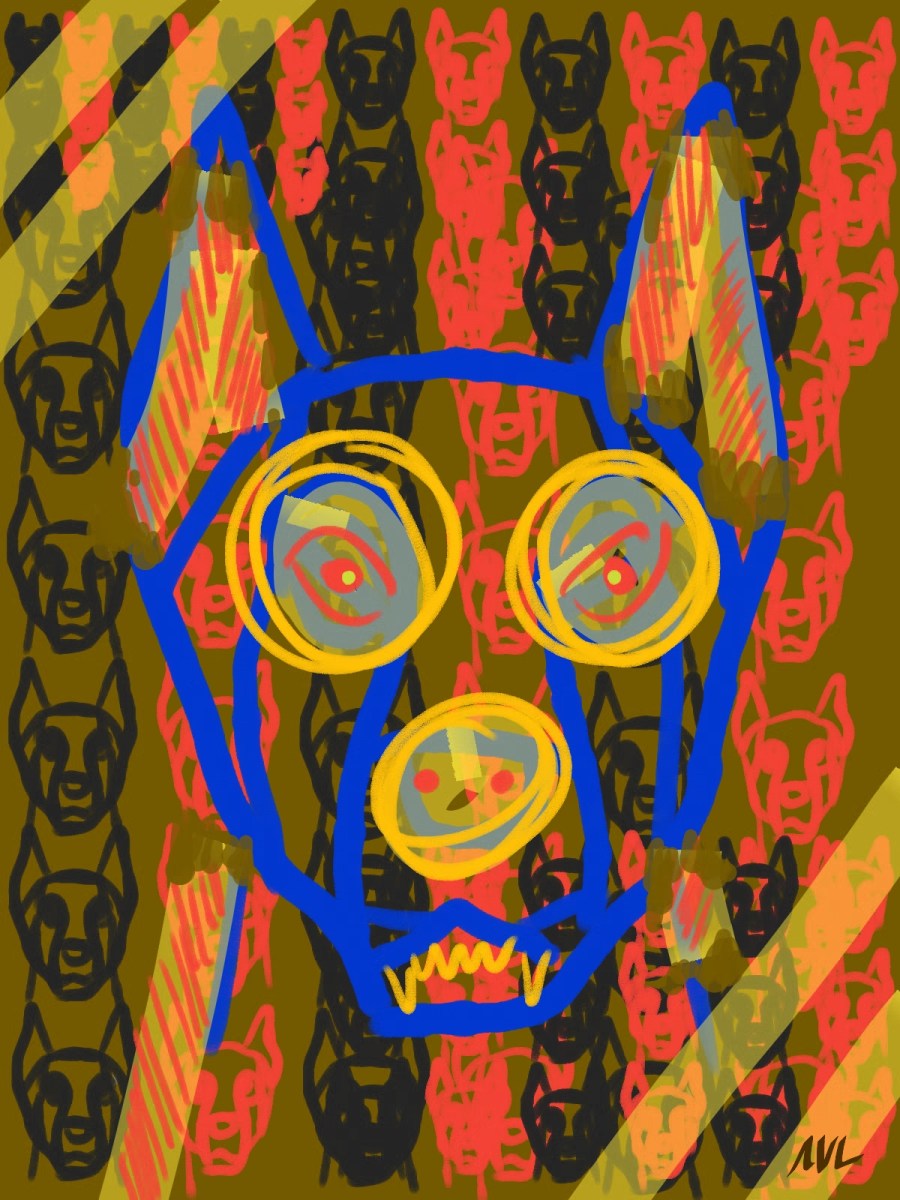
“Rage” confronts the viewer with a tempest of emotion, embodied within the elemental force of a mask-like figure. The artwork is awash with a tumultuous energy, conveyed through the choice of fiery reds and the stark contrast of bold, blue lines that carve out the features of the visage with unyielding intensity.
The background’s darker shades and patterns suggest a chaotic backdrop, reminiscent of a world in turmoil or the inner tumult of a troubled mind. The repeated motifs that could resemble tribal masks or ancestral spirits seem to multiply this sense of unrest, creating a chorus of silent witnesses to the central emotion.
The eyes of the figure, rendered as spirals, draw the viewer into a vortex of feeling, symbolizing perhaps the cyclical nature of anger and its ability to consume one’s perspective. The mouth, agape with jagged edges, is a raw depiction of a scream, a release of pent-up energy that seeks an escape into the world.
The piece is a powerful reflection on the raw and often uncontrollable nature of rage. It speaks to the human experience of fury, the feeling of being overtaken by a force that is both of the self and beyond the self. The artwork is a visceral reminder of the intensity of emotion that can lead to transformation or destruction, depending on its release and direction.
In “Rage,” there is an exploration of the catharsis and the consuming fire that such a primal emotion can represent. It is a visual representation of the passion, the power, and sometimes the pain of raw emotion laid bare.
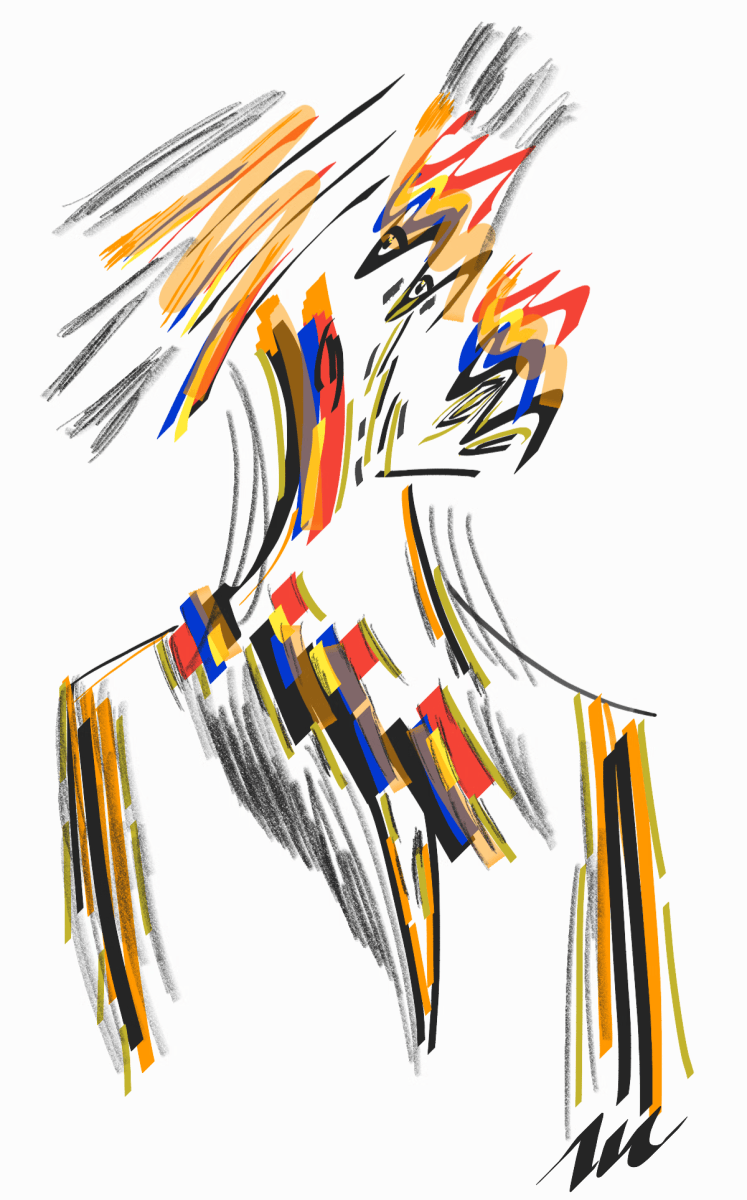
In “Garibaldi” I have sought to manifest the tumultuous beauty of discordant harmony. This piece is a visual symphony of opposing forces, a testament to the power of color and form when unleashed from the constraints of conventional representation.
At first glance, the artwork presents a cacophony of shapes and strokes, a seemingly impulsive gathering of lines and colors. The array of fiery oranges, passionate reds, deep blues, and solemn grays evokes an emotional response that is as immediate as it is complex.
Upon closer examination, what might be perceived as chaos begins to coalesce into a subtle order. There are echoes of structure within the abstraction, reminiscent of the natural world but not enslaved by its rules. The strokes may hint at the form of a bird, a creature both of the earth and the air, embodying the freedom that this piece celebrates.
The boldness of the palette speaks to a fearless approach to creativity, where each hue is allowed to speak its truth, even when it stands in stark contrast to its neighbors. It is this contrast, this dissonance, that gives the piece its vibrancy. It is not a conflict but a conversation, not a battle but a dance of individualistic expressions coexisting without suppression.
“Garibaldi” encourages the viewer to acknowledge the beauty in the atypical, to find peace in the pandemonium, and to perceive the world not only in the objects that define it but also in the spaces and relationships between them.
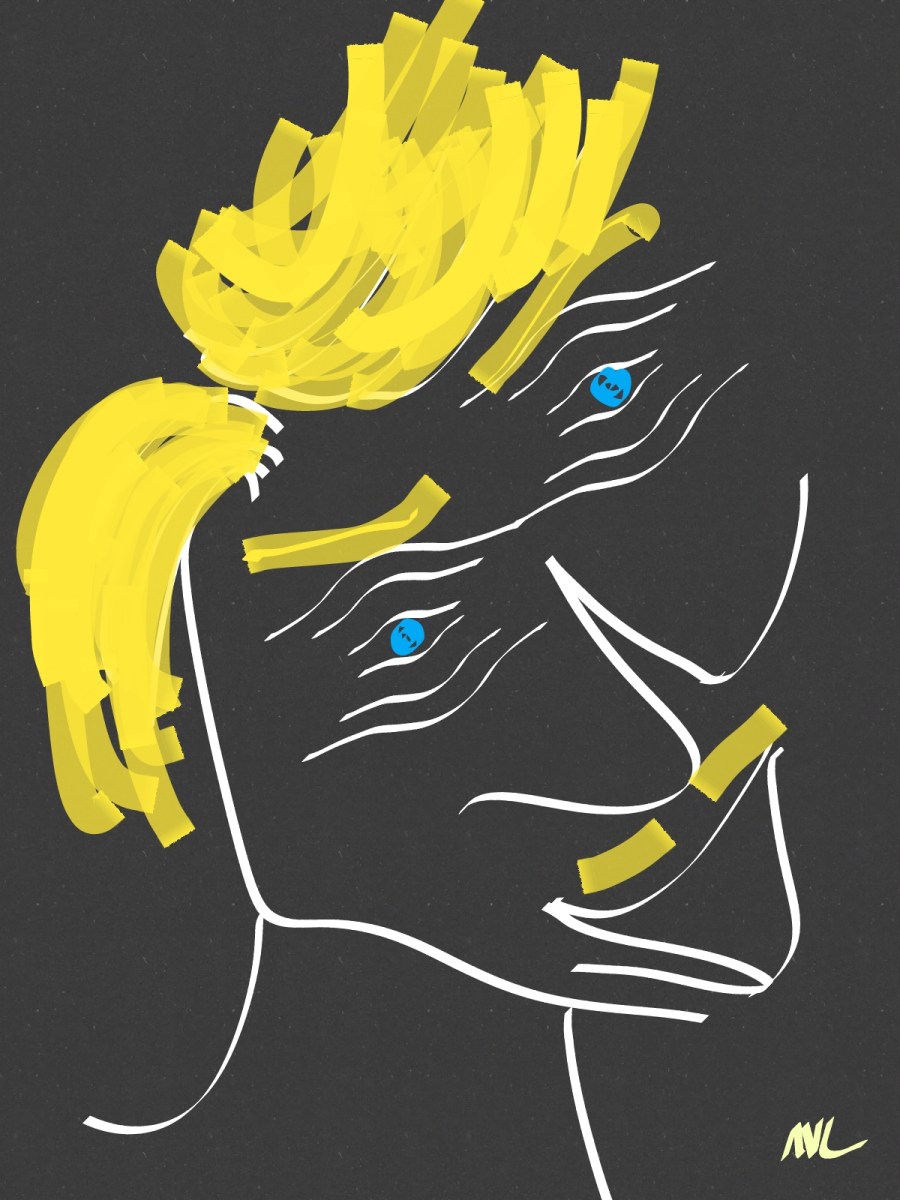
In “Vincent,” the artwork pays homage to the vigor and turmoil that often accompanies the life of an artist. The stark black backdrop serves as a void, a space of infinite potential where creativity can erupt in bursts of vivid color and form. Upon this canvas, the swirling yellow of the hair dominates, reminiscent of the iconic sunflowers and the tumultuous starry nights, embodying the passion and intensity of the artistic spirit.
The visage, outlined with minimalist white lines, provides a stark contrast to the darkness. These lines do not confine; they suggest, allowing the viewer’s imagination to fill in the depths and contours of a face not fully seen but deeply felt. The blue of the eyes stands as a singular point of calm within the storm, a piercing gaze that holds within it the depth of skies and seas—a mirror to the soul.
This portrait is not a representation but a feeling, a conversation with the viewer about the essence of creativity and the turmoil that fuels it. The emotional resonance is palpable, each line and color choice meticulously orchestrated to convey the complexity of the artistic journey. The bold slashes of yellow across the figure’s features are not merely hair but the manifestations of thoughts and ideas, almost electric in their intensity.
The piece invites contemplation on the nature of the creative process—its ebbs and flows, its light and shadow. “Vincent” is more than a portrait; it’s an exploration of the artist’s psyche, an acknowledgment of the beauty and pain that coexist in the act of creation.
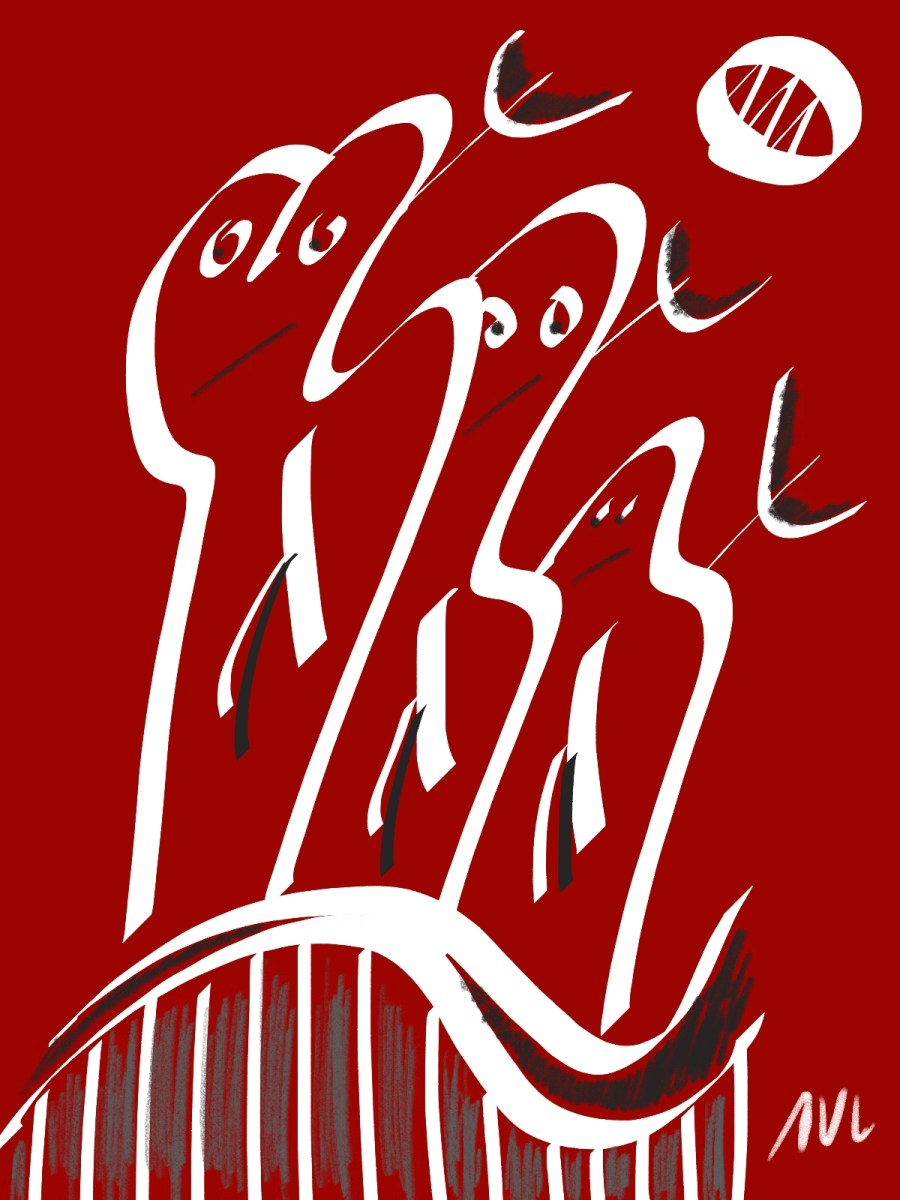
“Refugees” is a striking visual metaphor, a composition that is immediate and visceral in its emotional impact. The choice of a bold red background serves as a canvas of urgency and intensity, symbolizing both the danger and the passion that drives the human spirit in times of upheaval.
The figures, outlined in white, appear almost ghostly against the red, evoking the sense of being lost, of existing in a state of limbo. Their forms are elongated, reaching upwards, suggesting both the struggle and the inherent hope of those who seek refuge. The expressive lines that define the figures give them a sense of movement, of looking beyond their current circumstance toward a future that holds the promise of safety and peace.
The moon and the abstract elements floating above suggest the universal nature of this experience—the celestial bodies bearing silent witness to the plight of those below. These symbols, though seemingly disconnected from the central figures, hang over them like a shared destiny, a collective narrative written in the stars.
This piece is imbued with a sense of both solidarity and isolation, capturing the dual reality faced by refugees: the solidarity found in shared experience, and the profound isolation that comes with displacement. The artwork speaks to the resilience of the human spirit, the will to persevere despite insurmountable odds.
“Refugees” challenges the viewer to confront the complex emotions surrounding displacement and forced migration. It is a call to empathy, to recognize the shared humanity in the face of crisis and the boundless resilience required to forge a path through uncertainty.
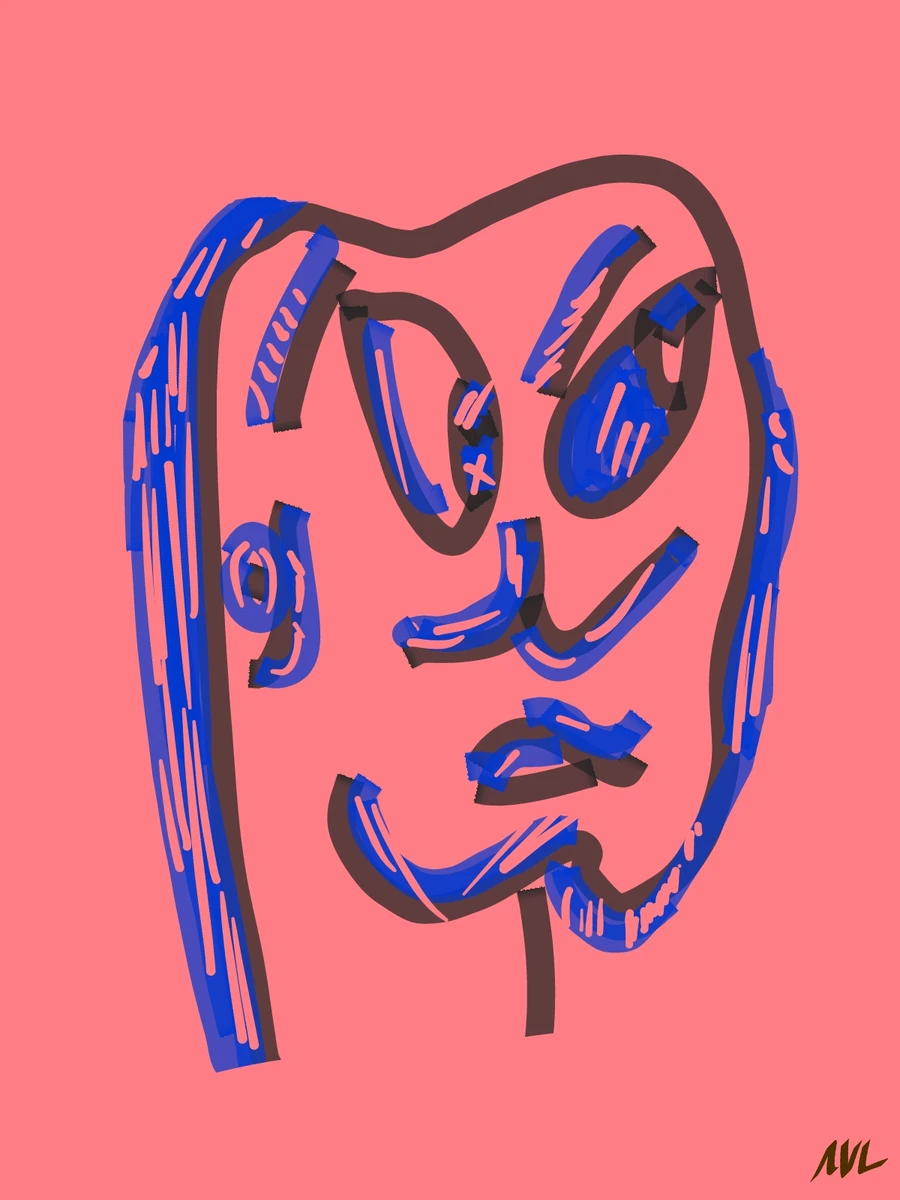
“African Echoes” is a vibrant celebration of identity and cultural resonance. The bold lines and contours, rendered in a striking blue, create an abstract visage that seems to echo traditional African masks, which are steeped in history and spiritual significance. The mask in the artwork is simplified yet powerful, capturing the essence of a face with a few decisive strokes.
The choice of a warm, salmon-pink background offers a contemporary contrast to the blue, highlighting the artwork’s modern reinterpretation of classic motifs. The juxtaposition of these colors is reminiscent of the bright and varied palette often found in African textiles and art, representing the continent’s rich and diverse artistic heritage.
The artwork’s abstraction invites the viewer to consider the broader themes of heritage and representation. It challenges one to look beyond the immediate and find the depth and layers of meaning within the lines – a celebration of the complex tapestry that is African cultural identity.
This piece does not just represent a face or a mask; it represents a legacy. It is an homage to the creativity and enduring spirit of the African continent, its people, and their diaspora. The artwork stands as a testament to the influence of African art on the global stage, a reminder of its power and place in the world’s cultural conversation.
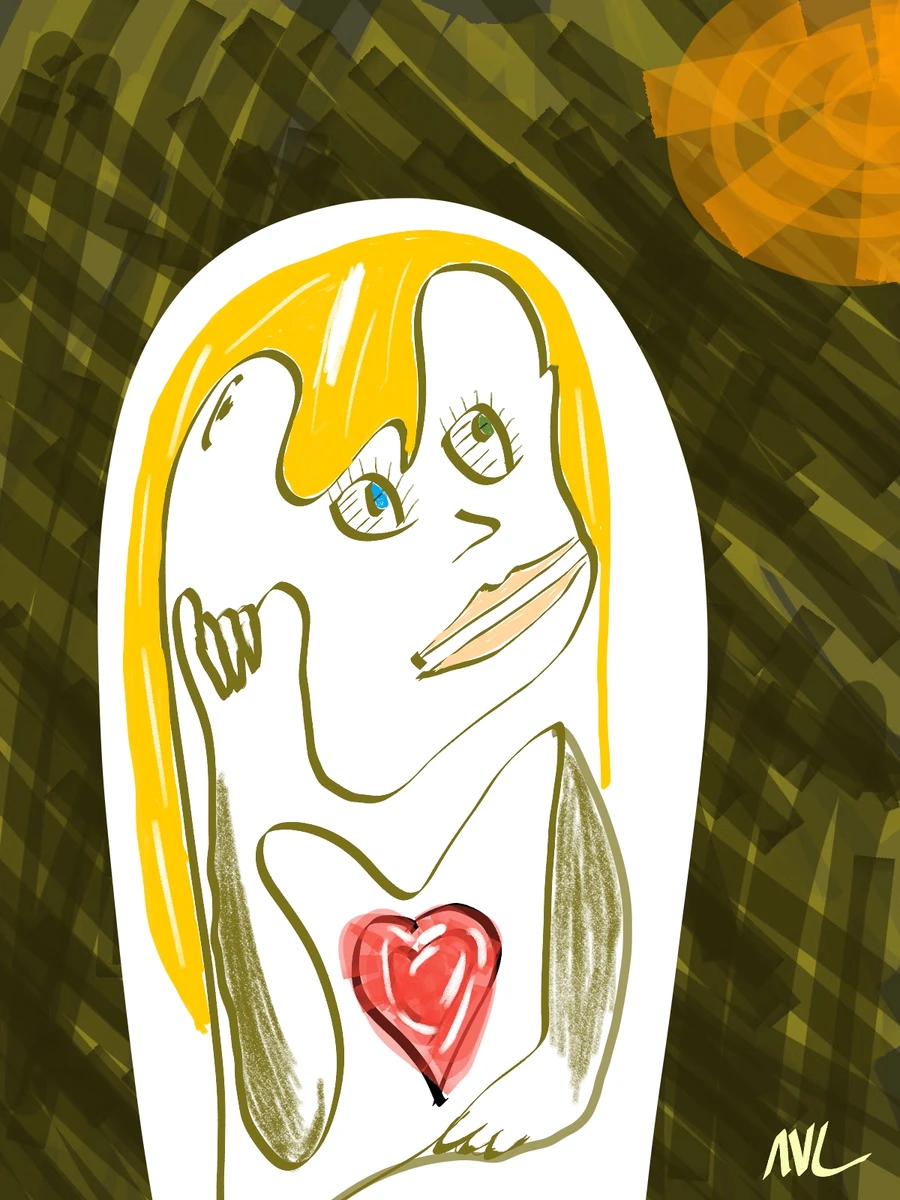
“Unborn” presents a poignant portrayal of potentiality and the nascent stages of life. The central figure, enveloped in a protective contour, carries within a heart, richly shaded in vibrant reds, symbolizing the fervent beat of emerging life. The figure’s gentle, yet pronounced features, bordered with strokes of a sunny yellow, reflect innocence and purity, a soul on the precipice of existence.
The backdrop, a tapestry of earthy greens and abstract forms, might represent the womb-like environment that is both sanctuary and universe to the form within. The warm, radiant form in the upper corner showers the scene with an amber glow, reminiscent of the life-giving force that is both sunlight and maternal warmth.
This piece is a tender meditation on the theme of creation and the fragile, beautiful moment before being. The artwork delves into the emotional depths of anticipation and the profound connection between mother and child, even before birth. The heart, prominent and central, is not just an organ here but an emblem of love, of life’s pulse, of the emotional bonds that begin even before a first breath.
The simplicity of the lines and the clarity of the colors in “Unborn” are deliberate, stripping away the complexities of the world to focus on the fundamental truths of life and love. The piece speaks to the viewer of hope, of beginnings, and of the unspoken promise held within the unseen.
In essence, this artwork is an intimate dance of color and form, a visual ode to the potential that resides in all beginnings. It reminds us of the unseen ties that bind us, the universal experience of waiting, of becoming, and of the love that forms the foundation of existence.
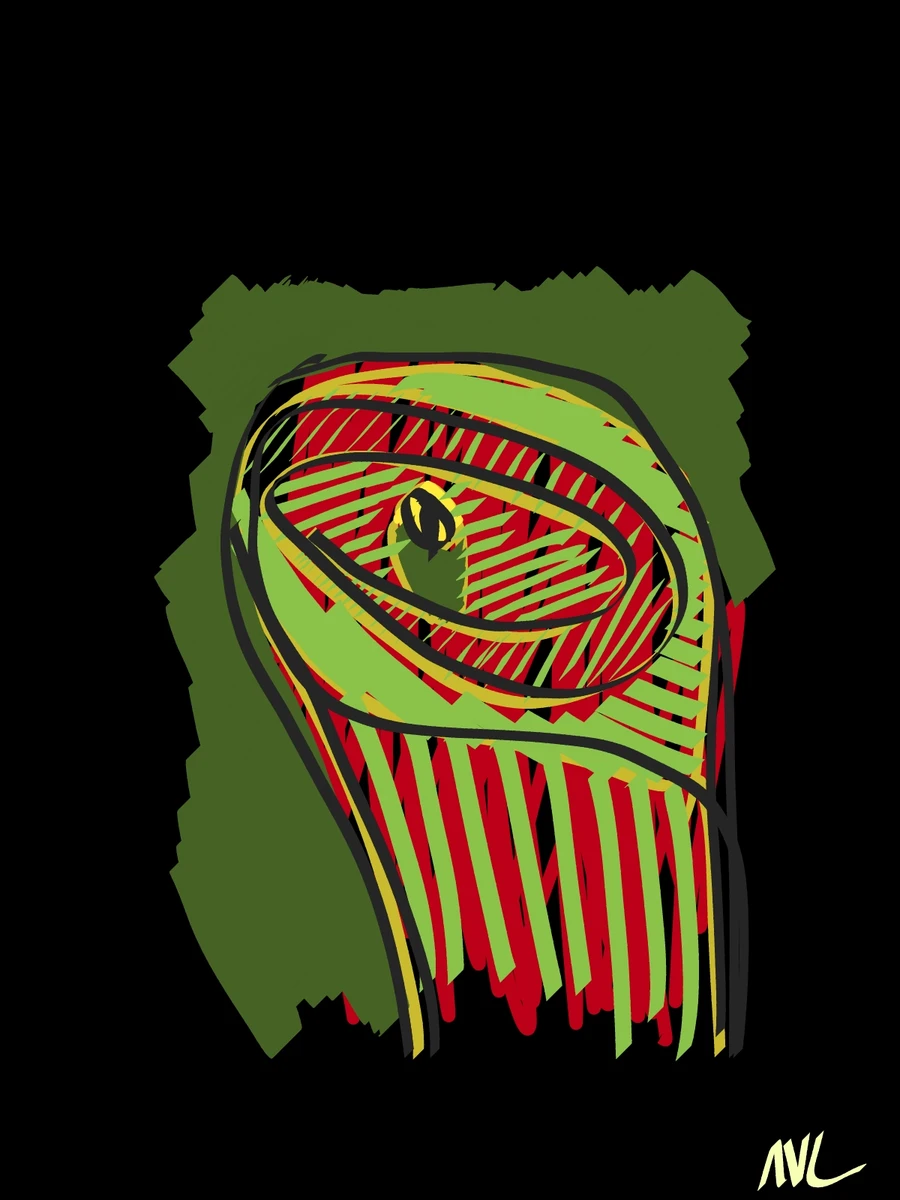
In “The Eye,” we delve into a visual exploration of perception and the allure of the unseen. Cast against the abyssal black, a solitary eye emerges, a portal to inner worlds and silent stories untold. The eye, a symbol of both vision and insight, is rendered with a hypnotic intensity, its gaze piercing through the darkness, challenging the observer to look beyond the surface.
The use of vibrant reds and yellows creates a striking contrast against the dark background, echoing the fervency and urgency that sight and perception carry. These colors are not static; they seem to pulsate with life, with the layered lines suggesting movement, a flickering that might be likened to the rapid processing of images and ideas that the eye enables.
The green strokes enveloping the eye serve as a metaphorical representation of the protective layers that guard our vision, both physical and metaphorical. This is the foliage of the mind, the filters through which we view the world, sometimes obscuring, sometimes revealing.
The artwork is a bold statement on the power of the gaze, the act of seeing and being seen. It speaks to the complex nature of observation—how we are at once voyeurs of the world and subjects within it, how our perceptions are colored by the layers of our own experiences and biases.
“The Eye” is both a witness and a beacon, a challenge to the viewer to consider not just what is seen, but how it is seen, to acknowledge the profound depth behind every look, every glance. It is an invitation to confront the complexities of perspective, to recognize the eye as a tool that shapes our interaction with the world around us.
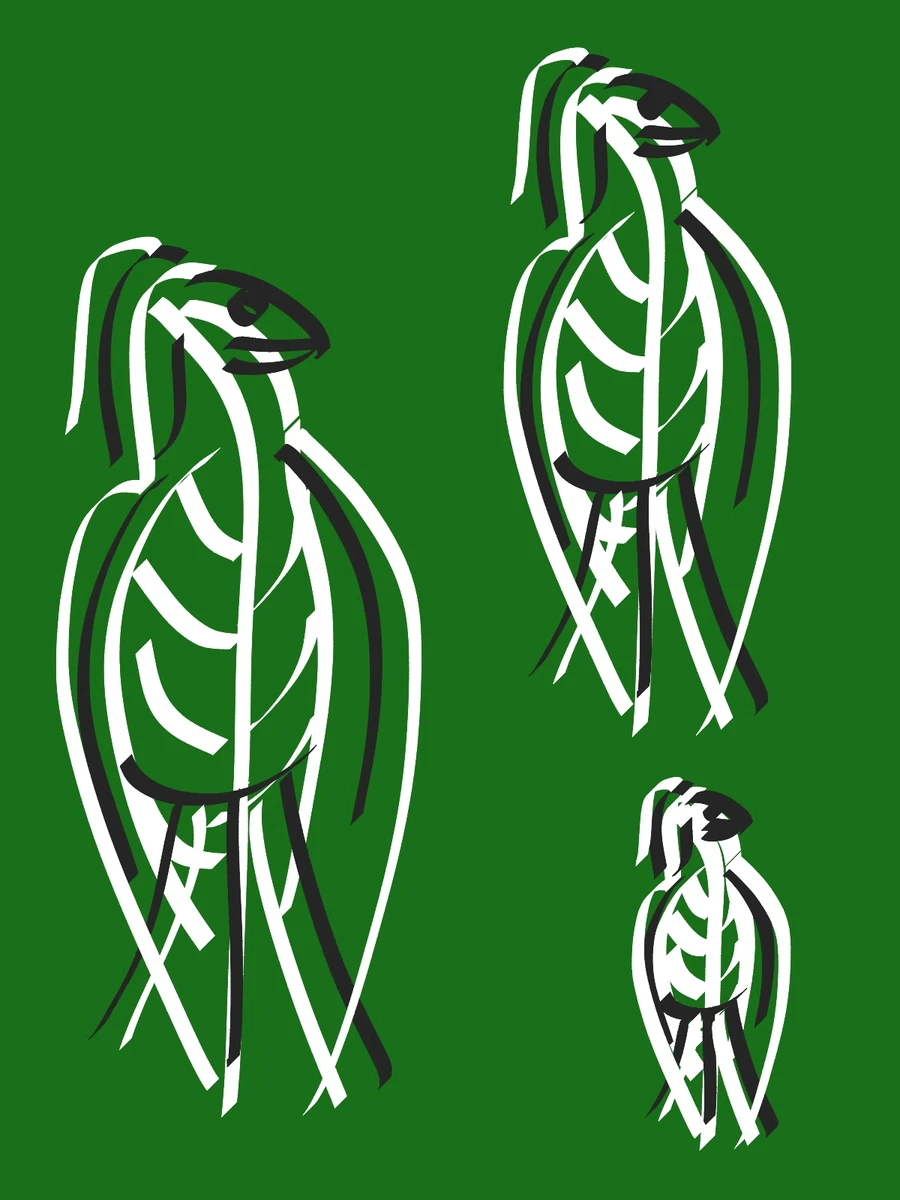
“Birds” is a strikingly minimalist piece that captures the essence of avian grace. The artwork strips away the complexity of form to present the birds in a series of elegant, curving lines against a vibrant green background. This abstraction reduces the subjects to their most fundamental elements, reflecting the freedom and simplicity that birds symbolize.
The varying sizes of the birds create a sense of depth and perspective, as if we are viewing them from a distance, soaring freely. The use of negative space is particularly effective here, with the birds’ forms defined as much by what is not there as by the bold black strokes that suggest their outlines.
The largest bird, dominating the composition, draws the eye with its fluid lines that evoke movement and the rhythm of flight. The stark contrast between the black and green suggests the clear distinction between the creature and the space it inhabits, yet there’s a harmony in how the shapes intertwine, reflecting the natural balance between the birds and their environment.
“Birds” is a celebration of the beauty found in the barest of representations, a reminder that sometimes less is indeed more. It is an invitation to the viewer to contemplate the grace of the natural world and our own innate desire for freedom and weightlessness.
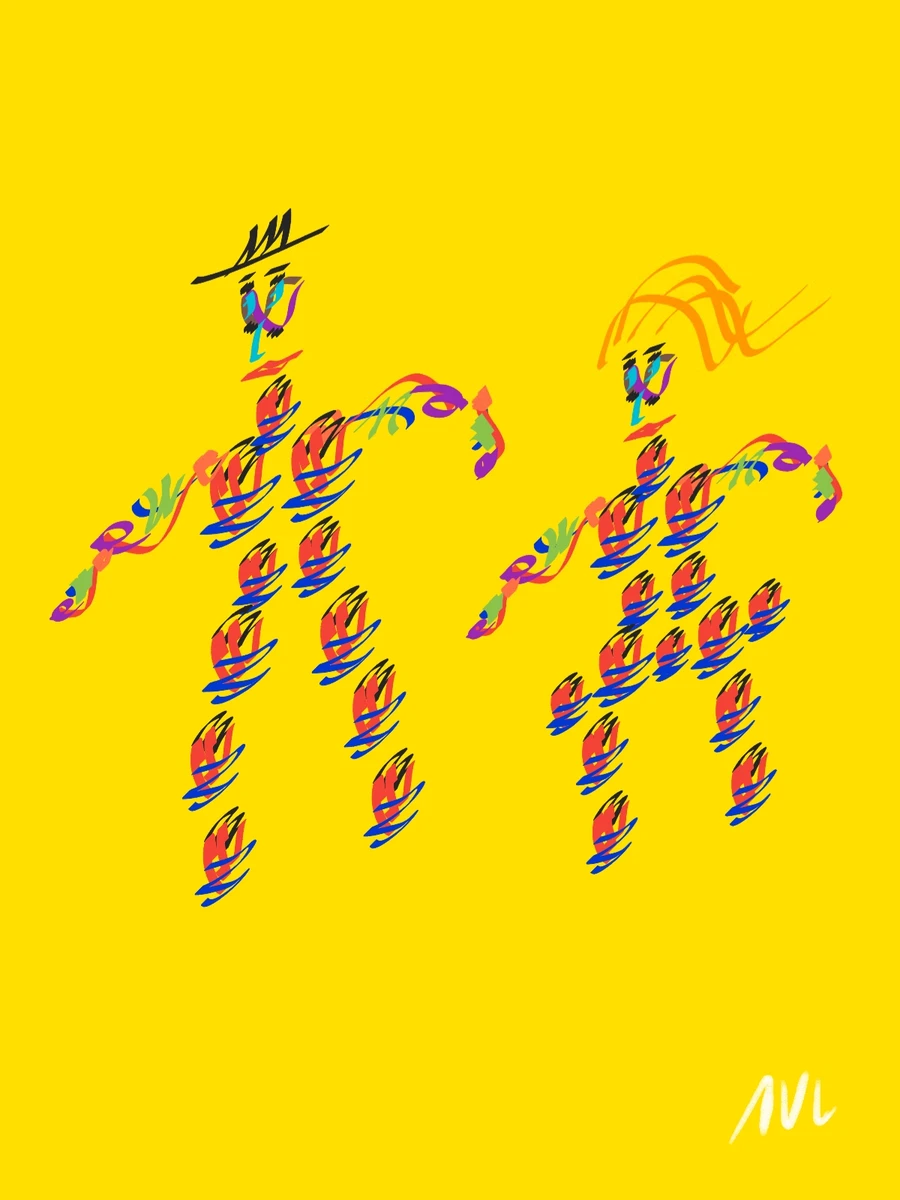
“Couple” is an abstract representation that captures the essence of partnership and duality. Set against a vibrant yellow background, which conveys a sense of joy and vitality, the two figures are intertwined through a dance of colorful brush strokes that suggest movement and life.
The figures themselves are composed of a myriad of colors, with each hue blending into the next, symbolizing the complex and multifaceted nature of a relationship. The figures are abstract yet identifiable, their forms created through a series of dynamic, expressive lines that give the impression of two people in sync.
The blue and red strokes that make up the figures’ bodies could represent the masculine and feminine energies traditionally associated with a couple, while the intermingling of these colors suggests a harmony and balance between the two. The way the colors overlap and merge illustrates the concept of two individuals coming together, sharing experiences, and blending their lives.
The hat and the flowing hair are the only distinct features that anchor the abstract forms into recognizable human shapes, offering just enough detail to ground the composition without detracting from its universal appeal.
“Couple” is a celebration of unity and the dance of companionship. It is a visual symphony of love and interaction, a depiction of two souls in a shared journey, moving through the world as one.
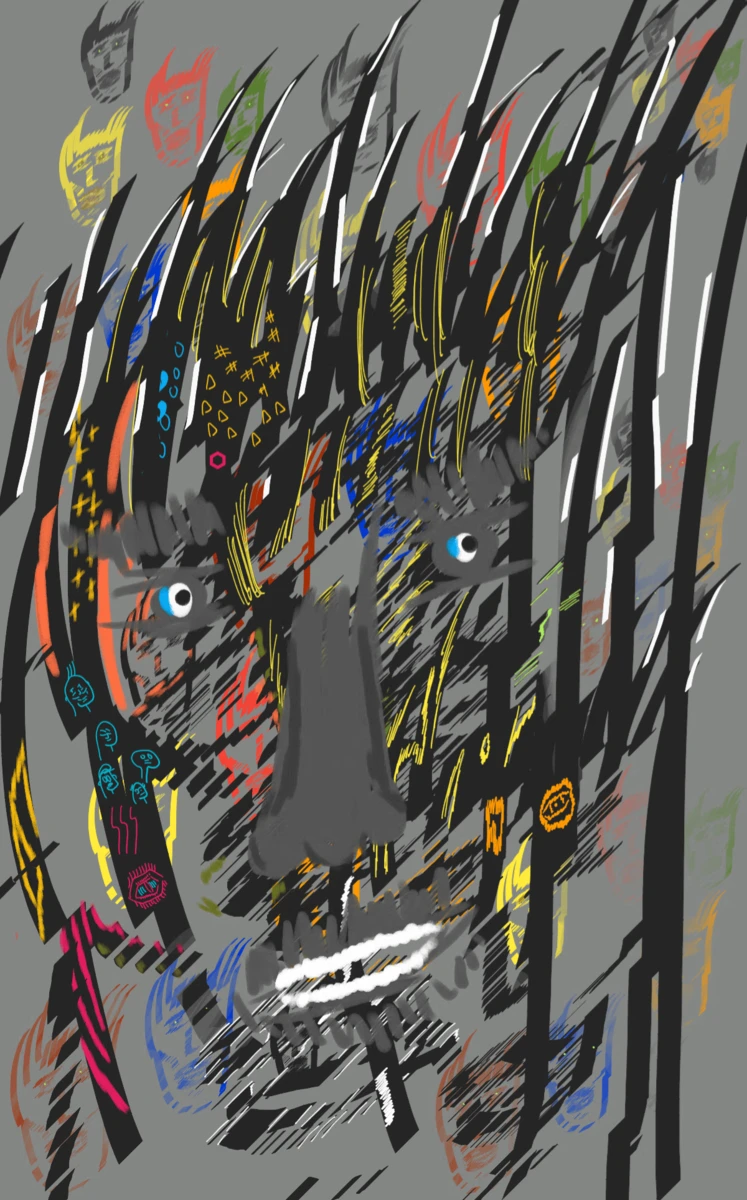
“Face Craft” is an intricate composition that delves into the multifaceted nature of identity and perception. The visage, obscured and fragmented by bold, chaotic strokes, represents the complexity of the self and the various masks we wear. The striking use of color amidst the grayscale backdrop signifies moments of clarity and emotion that break through the otherwise monochrome tapestry of daily existence.
The eyes, piercing and clear, act as anchors in the storm of patterns and symbols swirling around them. They offer a glimpse into the innate humanity that resides beneath the surface, suggesting a soul searching for meaning within the maelstrom of life’s experiences.
This piece is dense with symbolic imagery, each element potentially representing a thought, a memory, or a piece of the subconscious. The layering effect creates a sense of depth and speaks to the layers of experiences that compose our stories and characters.
“Face Craft” challenges the viewer to consider the unseen forces that shape our identities, the internal struggles that define us, and the courage it takes to show our true faces to the world. It is a visual exploration of the inner conflict between who we are, who we appear to be, and who we aspire to become.
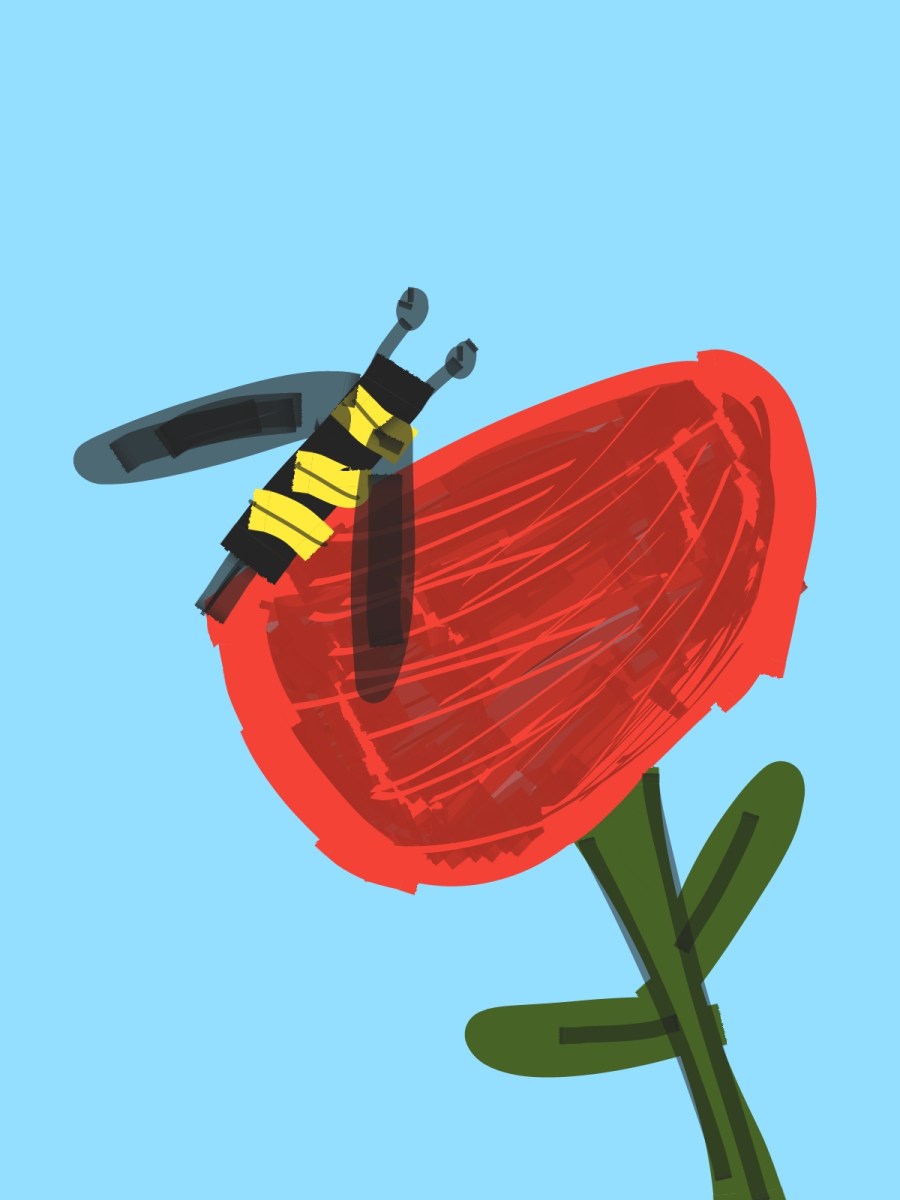
In this visual narrative, the scene is suspended in a moment of pure synchrony between two protagonists of our ecosystem. A vibrant, almost translucent red captures the eye, embodying the essence of a flower in bloom. The petals, depicted with a dynamic and passionate stroke, offer a sense of immediacy, as if the flower has just burst into life, eager for the day’s caress.
The character of the bee, a paragon of nature’s industrious spirit, is shown in the midst of its daily ballet. It hovers with a grace that is both precise and tender, its form a delicate balance against the potency of the floral red. This creature, a crucial thread in the tapestry of pollination, is rendered with an economy of detail that speaks to the elegance of its purpose.
The interplay of textures in the artwork suggests the tactile sensations of a garden in midsummer—the softness of the petals, the buzz of a bee’s flight, the warmth of sunlight filtered through leaves. The choice to place this interaction against a backdrop of clear blue suggests the infinite possibility that each day holds in the quiet corners of the natural world.
The artwork conveys the essence of a delicate yet fundamental act that repeats countless times, unseen yet pivotal. It is an homage to the beauty of these daily occurrences and a reminder of their silent importance in the grand scheme—a celebration of the unnoticed yet vital rhythms of nature.
The piece is a poignant reflection on the transient yet enduring impacts that even the smallest acts of existence have on our world—a call to witness and appreciate the quiet yet powerful forces that drive the cycle of life.
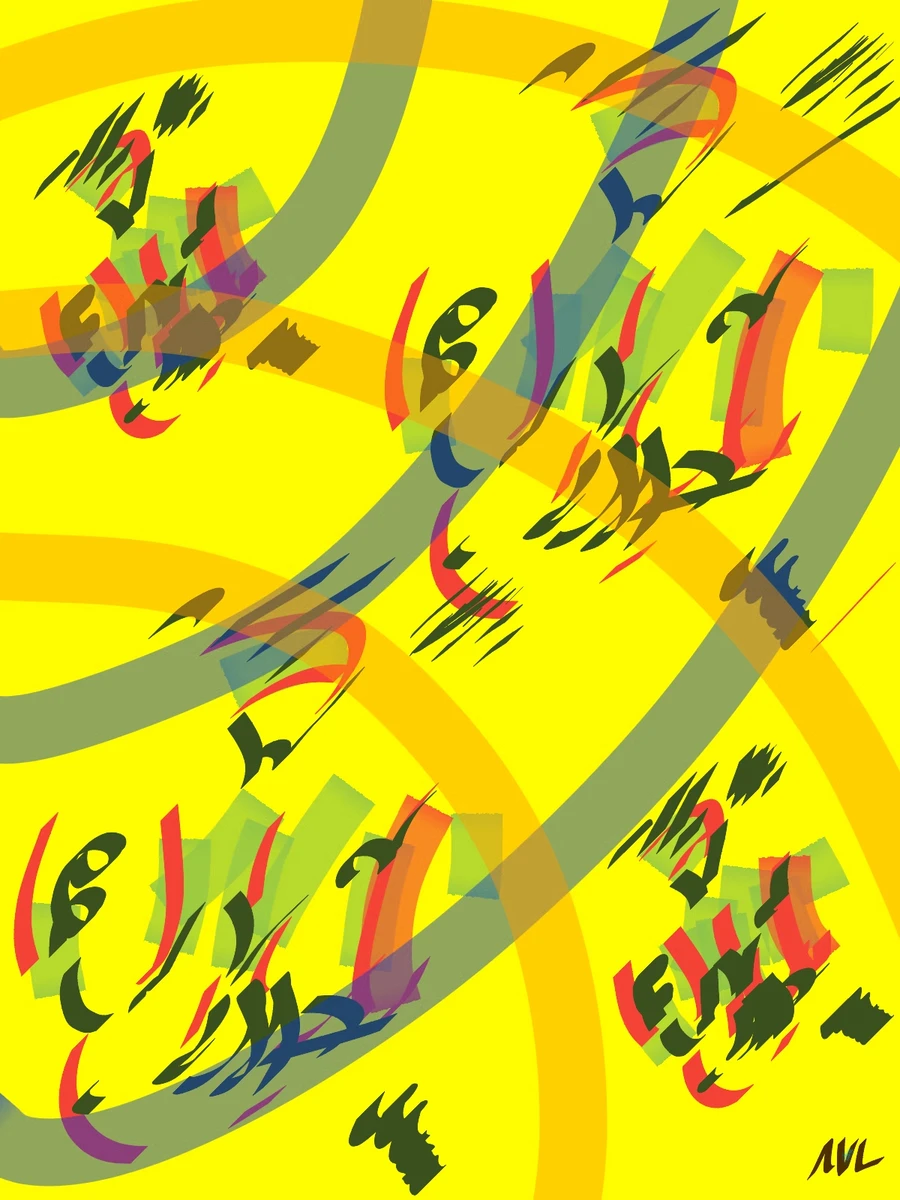
In the creation of “Chromatic Rhapsody,” I sought to manifest the exuberance of life’s unseen symphony. The piece is not merely a collection of forms and hues; it is a reflection of an inner landscape, rich with emotion and movement. The yellow that dominates is more than a color—it’s a burst of light, a distillation of the joy that permeates my studio as I work, a representation of the energy that fuels my creative spirit.
The interplay of colors is carefully orchestrated to create a visual cadence. The reds, greens, blues, and purples are not random; they are the essence of my artistic voice, a chorus of tones that speak in a language beyond words. Each hue sings with its own timbre, and together they form a melody that speaks of a world alive with color.
Within this dance, the shapes twist and turn, their fluidity and dynamism a testament to the freedom found in creation. There is a deliberate harmony in their arrangement, a balance that is felt rather than seen. The movements of these forms are not captured; they are released, allowed to find their own paths across the canvas of imagination.
The contrasts here are not mere opposites; they are conversations—between light and dark, between boldness and subtlety. They are the whispers and shouts that give life to the silent language of art. These contrasts pull the eye, guiding it through the narrative of the piece, a journey without beginning or end, only the perpetual motion of discovery.
This artwork aims not to communicate a specific message, but to evoke a feeling, to stir the soul. It is a testament to the power of color and form to move us, to connect with us on a level that transcends the mundane. This is the aim of my work: to create not just an image, but an experience, a moment of connection with the intangible, the ineffable.
“Chromatic Rhapsody” is an expression of my heart’s cadence, a visual poem written in the language of color and form. It is the embodiment of my artistic quest—forever seeking, forever exploring the depths of visual expression.
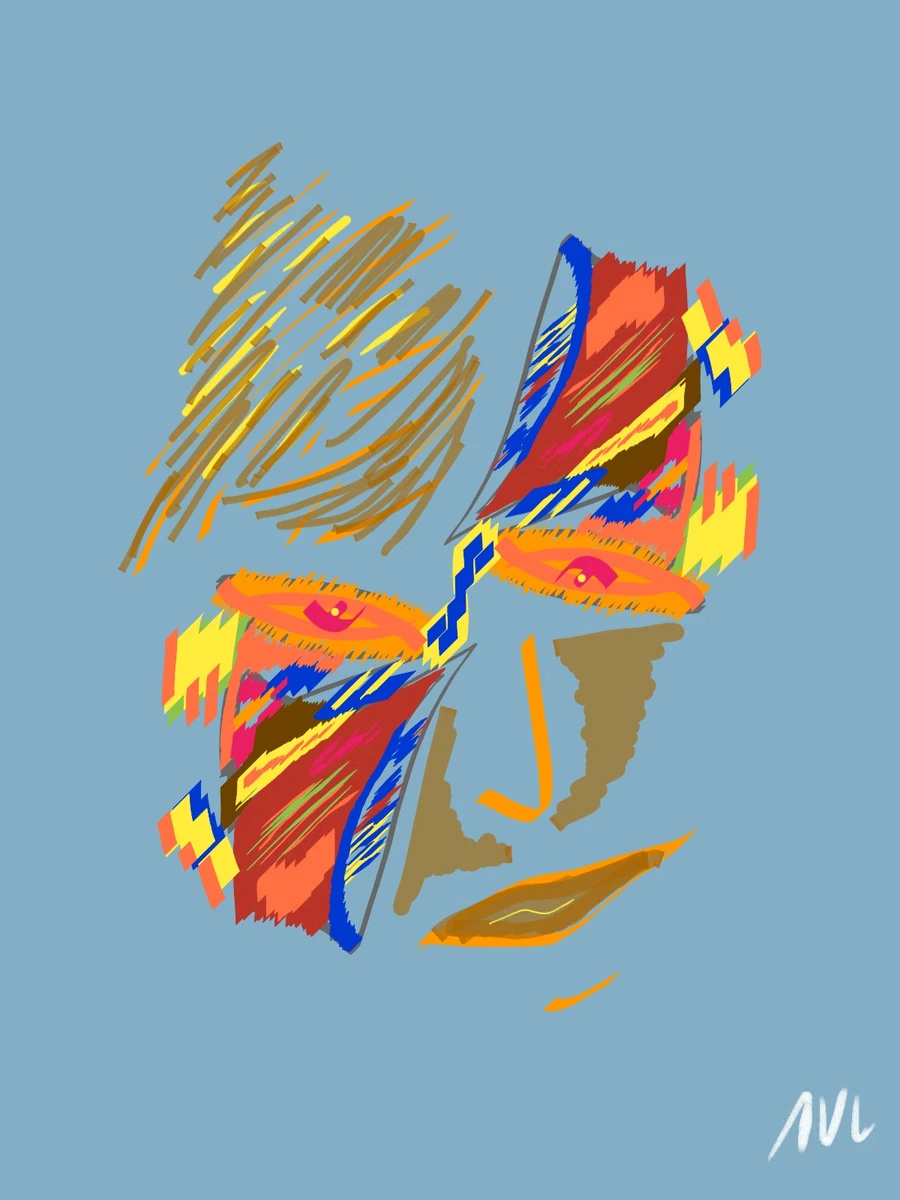
This piece, with its kaleidoscopic fragmentation, captures a moment of dynamic disintegration or perhaps reintegration, where form and concept are in flux. The use of a tranquil blue background offers a stark contrast to the vivid, almost electric colors that break across the canvas, suggesting a space of both peace and profound transformation.
The array of shapes and colors could be interpreted as an abstract representation of a butterfly in mid-flight, a symbol of metamorphosis and the inherent beauty in the process of change. The golden and earthen tones suggest a wildness, an organic energy that is at the heart of nature’s most profound acts of self-renewal.
There is a sense of motion in the artwork, as if the viewer has caught the subject in the midst of transformation, the precise moment where the old has not yet fully dissipated and the new has not entirely formed. It’s a visual dance between becoming and unbecoming, a snapshot of evolution itself.
The fragmented form, with its splinters of color jutting outwards, invites contemplation on the nature of identity and the many facets that compose a being. It speaks to the complexity of the self and the myriad ways in which we present to the world, ever-changing, ever-evolving.
This artwork, Fracture, an open to interpretation, is a celebration of the fluidity of existence. It is a reminder that change is the only constant and that within the chaos of breaking apart, there lies the potential for new patterns, new understandings, and a new kind of beauty to emerge.
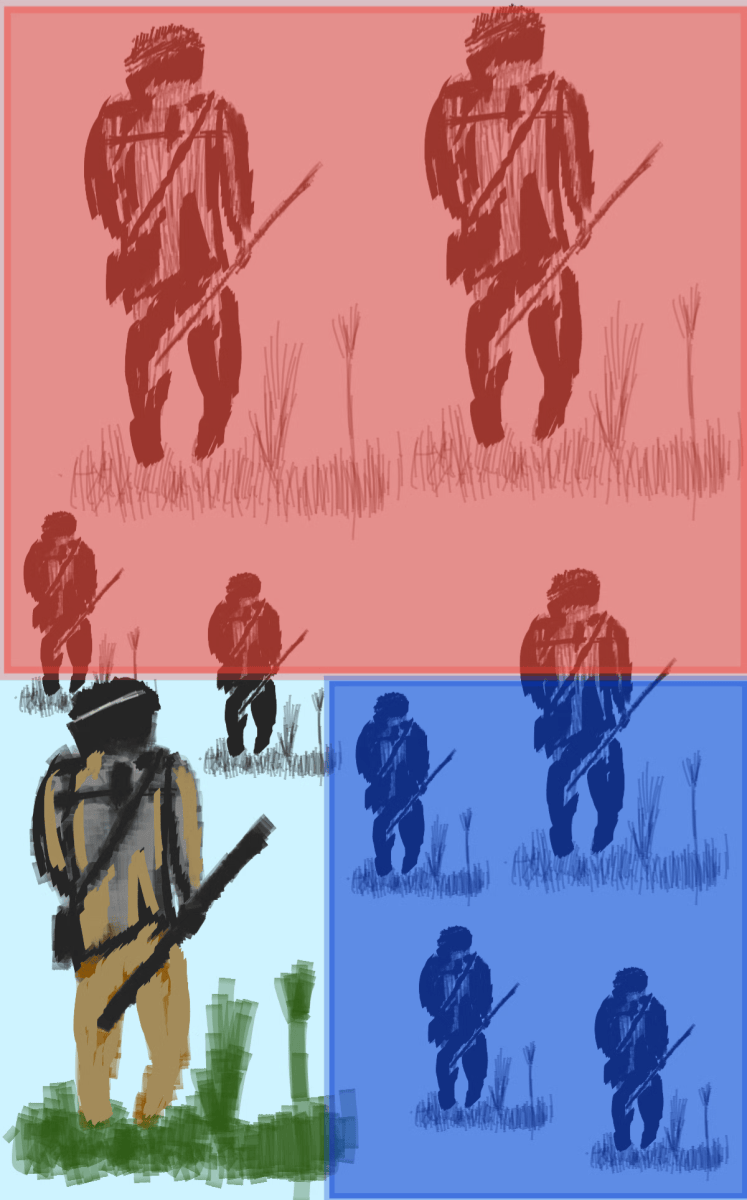
“Fragmented” is a study in the layering of memory and the deconstruction of time. This artwork is divided into quadrants, each resonating with a different hue, yet all sharing the same underlying scene—a motif that suggests the multifaceted nature of recollection.
The most immediate layer presents soldiers in silhouette, drawn with brisk, confident strokes against a backdrop that is warm yet carries an undertone of foreboding. The repetition of figures across the quadrants implies a narrative, one that transcends the individual and speaks to collective experience.
In the foreground, a single figure is highlighted, its details more pronounced, its presence more immediate. This contrast of a single, detailed figure against the backdrop of its own echoes invites contemplation of the individual amidst the many, the personal story within the larger historical tapestry.
The earthy tones of the bottom left quadrant ground the scene in reality, while the cool blues of the opposite bring forth a feeling of distance and perhaps the inevitable fading of memory. The overlay of colors across the entire composition suggests the passage of time, the way memories can be colored by context, emotion, and the subsequent events of one’s life.
In essence, “Fragmented” is a visual meditation on the persistence and malleability of memory, the way our past is both a constant and a variable, ever-present but ever-changing.
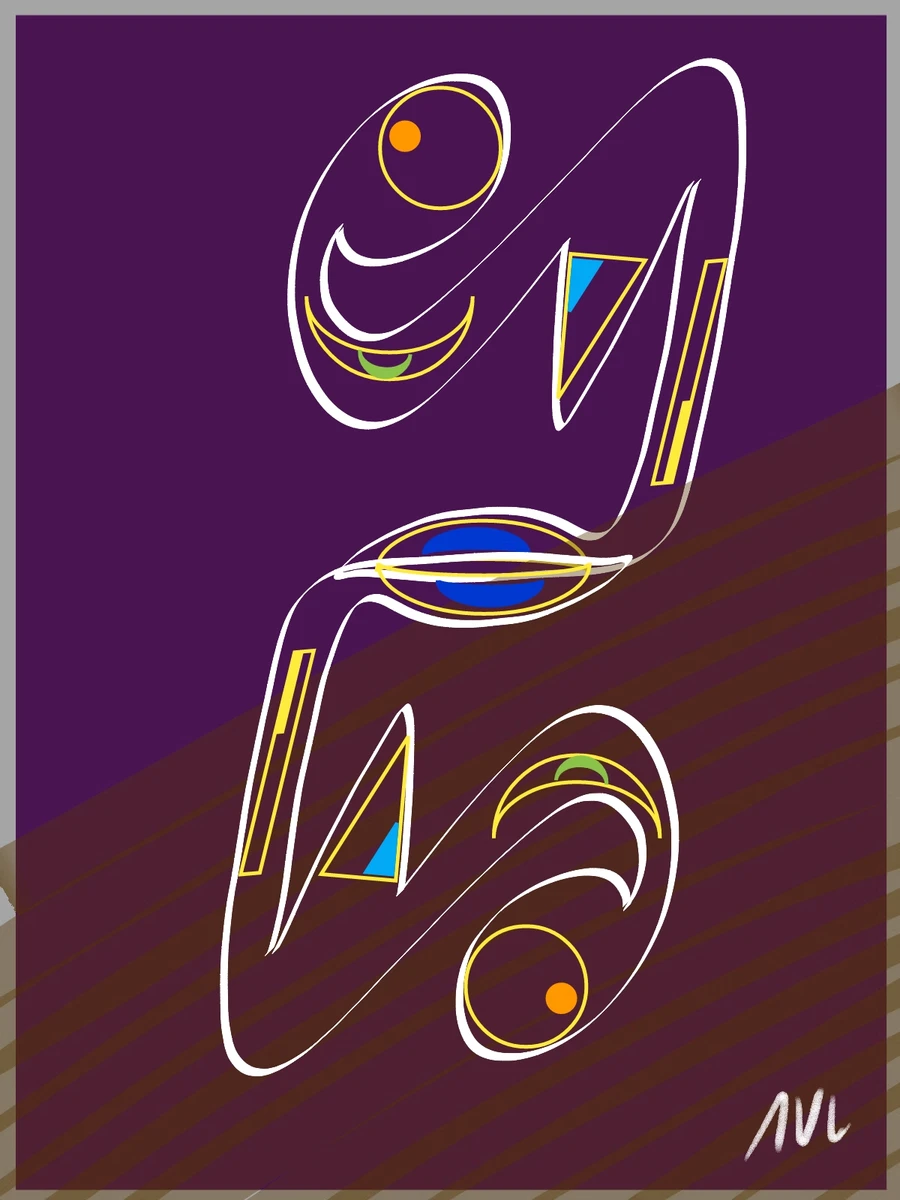
This piece is an interstellar journey captured within the confines of a canvas, a celestial composition that speaks in the silent language of cosmic calligraphy. The rich purple backdrop serves as the deep velvet of the night sky, a canvas expansive and ripe with mystery. Upon this, white lines curve and flow with the fluidity of stardust trails, their movements both deliberate and imbued with the freedom of the cosmos.
Orbits intersect and celestial bodies align in a visual harmony that mirrors the music of the spheres. Circles punctuate the composition like planets or moons in various phases of visibility, each orb encircled by halos of light that suggest an aura of motion. The color palette is deliberately chosen, with golden yellows, vivid blues, and touches of green that echo the natural phenomena of nebulae and auroras seen from afar.
These geometric shapes, though sparse and selective, are placed with a precision that speaks to the gravitational pull between them. They evoke the elegance of the universe’s order, the silent and unseen forces that govern the dance of celestial bodies through space. The triangles, with their sharp angles, contrast the soft curves of the lines, suggesting the diverse elements that compose the cosmos.
This artwork is a meditation on the vastness of the universe and the interconnectivity of its many components. It is a reminder of the elegance inherent in the natural order, an order that is often felt rather than seen, a rhythm that beats at the heart of all existence.
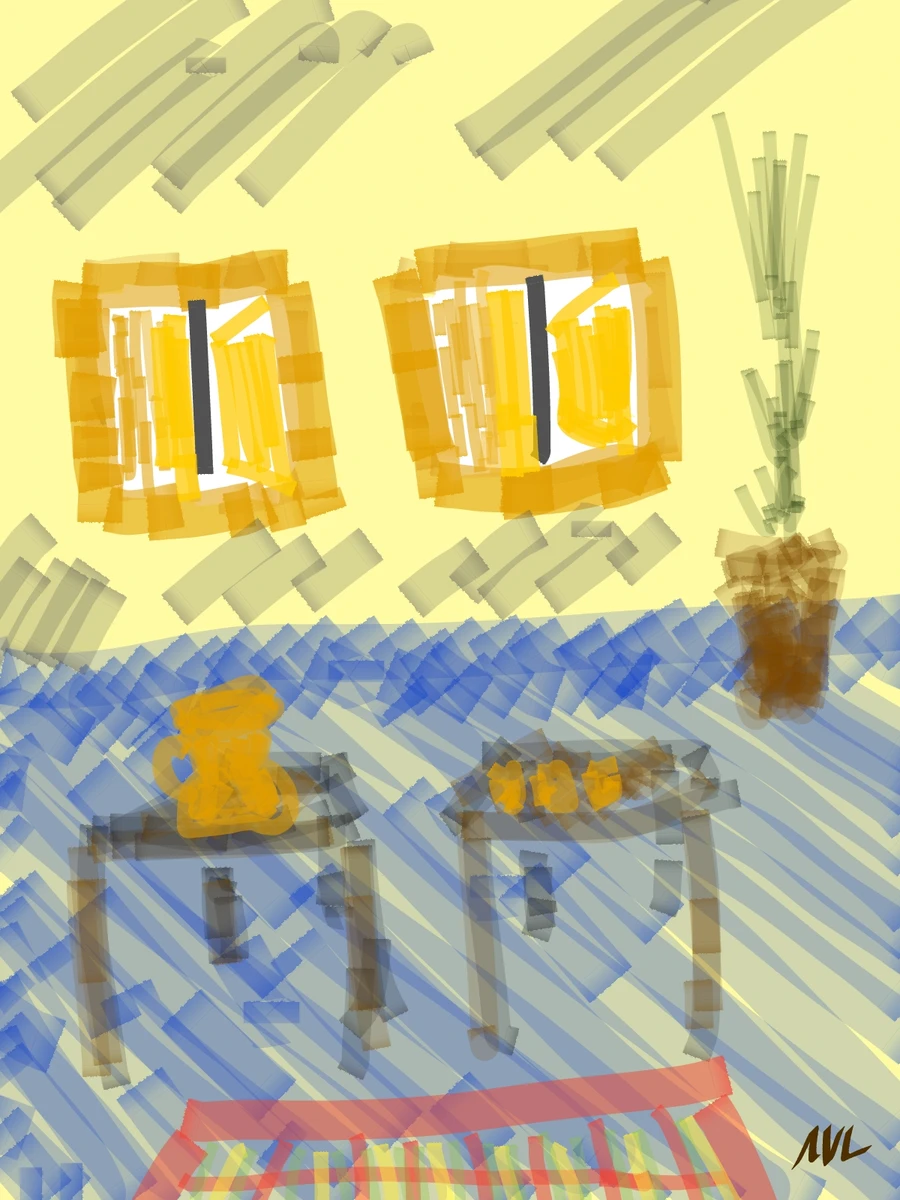
In “Sunlit Reverie,” I’ve endeavored to capture the essence of a moment suspended in time, where the ordinary becomes ethereal through the play of light and abstraction. The piece is a homage to the simple sanctuaries of our daily lives, those quiet corners that hold the whispers of countless mornings.
Here, the sunlight itself becomes a painter, draping the scene with a golden warmth that transforms the mundane into the magical. The windows are not mere openings but portals to a world awash with the glow of dawn or dusk—the exact time is immaterial, for it is the quality of the light that matters, its ability to alter our perception of the space it graces.
The tables, adorned with objects of daily use, stand as silent sentinels of domestic life. Yet, in this scene, they are more than furniture; they are the altars of the home, bearing the offerings of fruit and coffee that mark the ritual of beginning another day. The objects are sketched with a deliberate imprecision, inviting the viewer to fill in the blanks with their own experiences, their own memories.
The floor’s geometric patterns, a sea of blues, provide a cool counterpoint to the warmth that floods the scene. It’s as if the room itself is breathing, inhaling the cool tranquility of the blue, and exhaling the golden light that suffuses the space. This duality is not a clash but a conversation—a visual dialogue about balance and harmony.
This artwork is not merely a representation; it is an interpretation—an invitation to find beauty in the spaces we inhabit. “Sunlit Reverie” speaks to the stillness and the quiet dignity of the spaces we call our own. It is an acknowledgment that even within the most unassuming settings, there is a dance of light, shadow, and color waiting to be seen, waiting to transform the space into something extraordinary.
Through this piece, I seek to remind the viewer that there is poetry in the light that bathes our daily lives, that every room holds the potential for a moment of reflection, of peace, of reverie, if only we allow ourselves to see it.
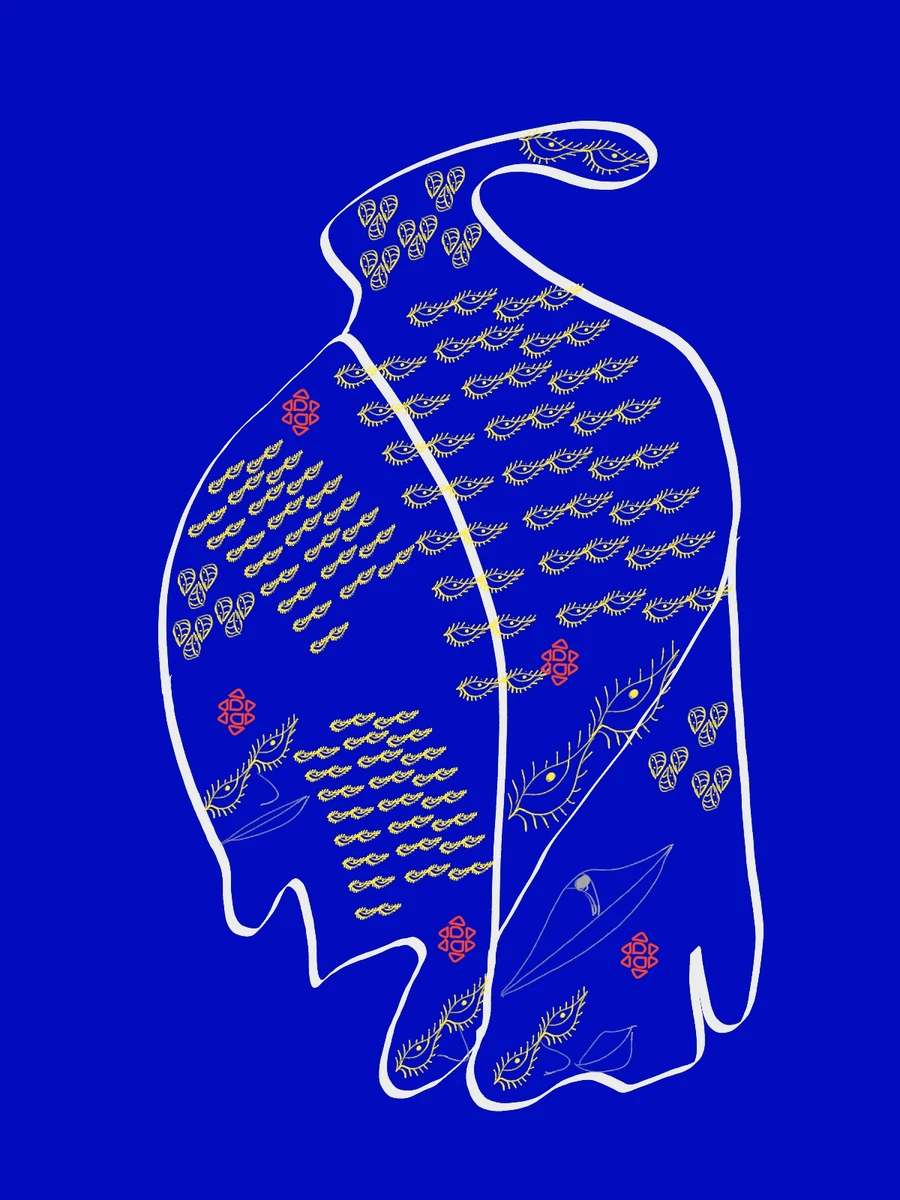
The artwork titled “Mandala” is an evocative journey into the realm of the spiritual and the symbolic. Set against an arresting cobalt blue, the piece immediately invokes the depth of the night sky, a canvas that holds the infinite and the eternal. The singular, flowing white line defines a form that is at once human and emblematic, suggesting a meditative posture or perhaps the outline of a deity in a state of tranquility.
Within this silhouette, intricate patterns unfold in gold and white, echoing the sacred geometry of mandalas used in various spiritual traditions as tools for meditation and contemplation. The designs are meticulously arranged, each cluster of shapes a testament to the universe’s hidden order and the search for meaning within its vastness.
The patterns inside the figure are reminiscent of flora, fauna, and cosmic motifs—symbols that are often found in mandalas to represent the interconnectedness of all life. These elements are not merely decorative; they are imbued with intention, guiding the viewer’s eye and mind inwards, towards the core of the figure, and symbolically, towards one’s inner self.
“Mandala” is a visual ode to introspection and the quest for inner peace. It invites the viewer to still their thoughts and absorb the tranquility emanating from the artwork. In a world brimming with noise and distraction, this piece stands as a beacon of stillness and harmony.
This artwork is not only a representation of the sacred art form but also a modern interpretation that bridges the ancient and the contemporary, suggesting that the quest for understanding and the desire for peace are as relevant now as they have ever been.
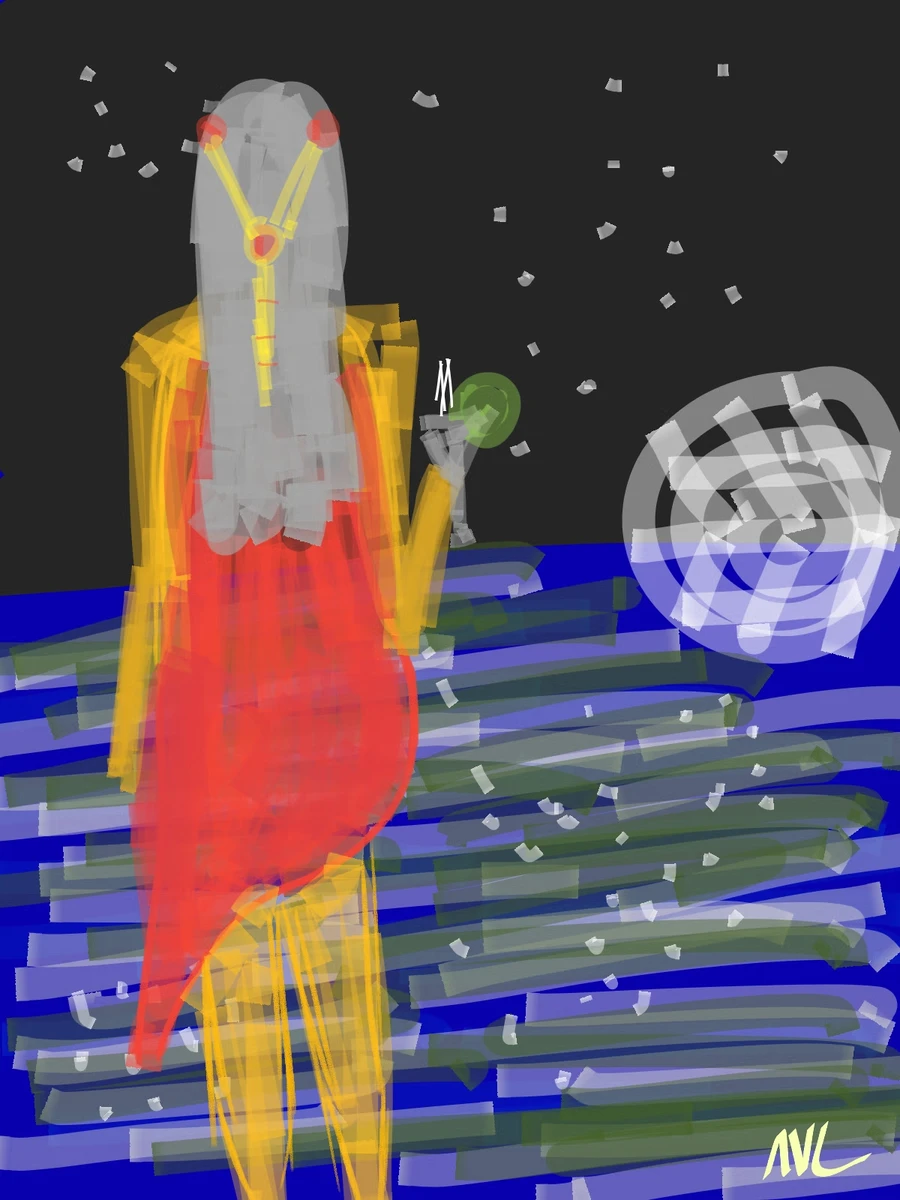
In “She,” there emerges a fusion of the industrial and the ethereal, a bold representation of feminine energy within the framework of mechanical might. The central figure dominates the composition, a towering presence that combines the softness of human form with the hard lines and metallic sheen of machinery.
The background, a deep abyss punctuated by what may resemble stars or snow, suggests a space that is vast and open, a universe or perhaps a dreamscape, where the laws of reality bend to the will of imagination. It sets the stage for the central figure, who appears both part of this cosmos and a creator within it.
The strokes are broad and vivid, with fiery reds and oranges cloaking the lower half of the figure, perhaps hinting at a rocket’s blaze or the lifeblood of activity. It’s as if “She” is in the process of ascension, a lift-off from the constraints of the mundane world into a realm of endless possibility. The yellows and golds that outline her form give a sense of radiance, of a power that is both fierce and benevolent.
In one hand, “She” holds a tool, a symbol of creation and influence, a testament to the capacity to shape worlds and destinies. The juxtaposition of technological elements with the fluidity of human form creates a narrative of progress and potential, a dialogue about the role of the feminine in the march of innovation and exploration.
The artwork is a celebration of the strength and complexity of womanhood, an acknowledgment of the force that women carry within themselves—the force to create, to build, to launch into new territories. “She” is both a figure and a symbol, an embodiment of the drive that propels us forward, the nurturing hand that cradles ambition and the spirit that soars towards the future.
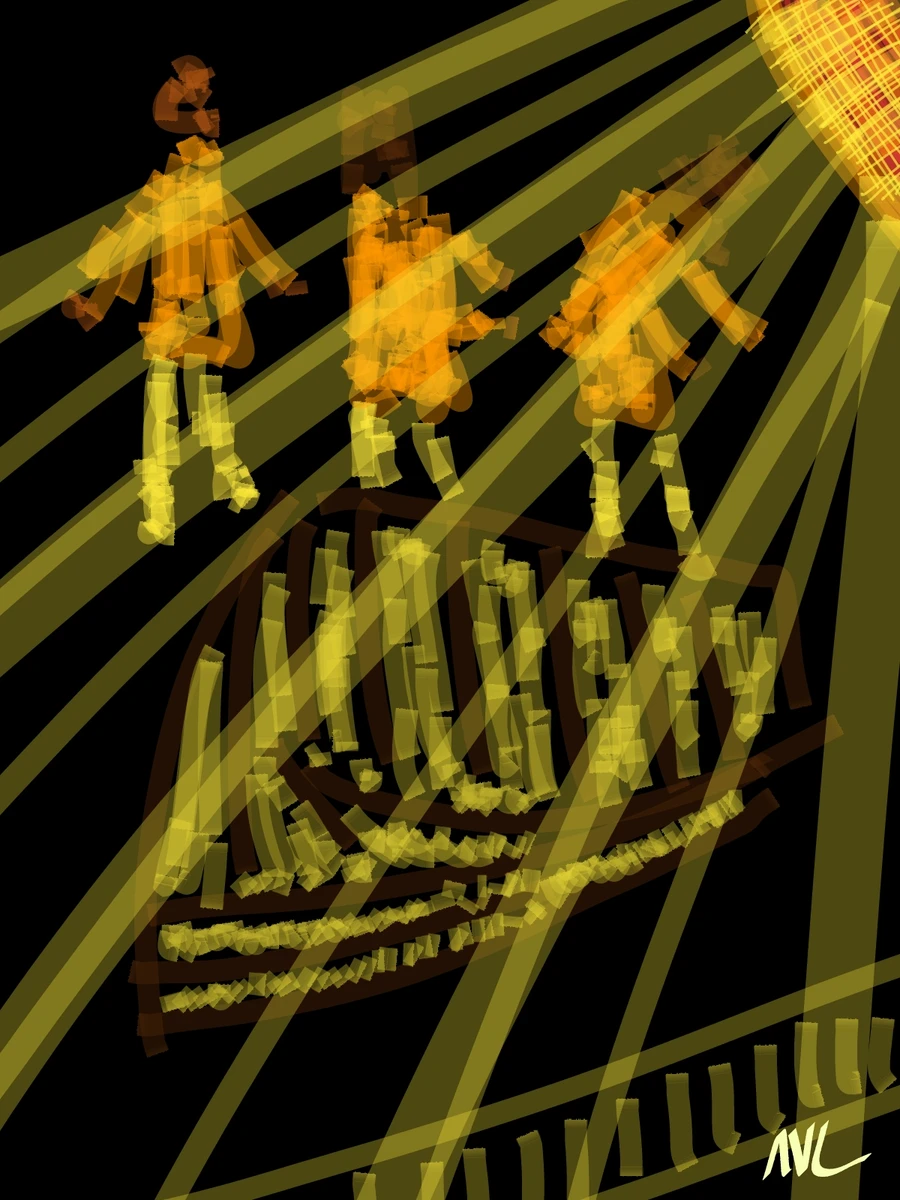
“The Light” is a digital canvas where motion, light, and shadow converge to tell a story of movement and energy. It captures the essence of transient moments, the figures depicted in a state of motion, their forms blurred and cascading across the space like echoes of time.
The backdrop is a deep abyss, intersected by rays that seem to emanate from a luminescent, orb-like source. These rays impose an architectural structure upon the void, suggesting a stage upon which the figures are illuminated, their dance highlighted by the interplay of light and darkness.
The figures themselves are rendered in a palette of warm yellows and oranges, colors that traditionally signify vitality and dynamism. They are spectral, almost ghostly, yet imbued with a vibrancy that suggests life in its most fervent state. The figures seem to be ascending or perhaps performing, their forms repeated and layered to create a sense of rhythm and continuation.
This artwork evokes the concept of the eternal journey of the soul, the constant striving for a higher state, towards enlightenment or understanding. The light serves as a beacon, a guiding force in the darkness, representing knowledge, hope, or the divine.
“The Light” also speaks to the potential of digital art to capture motion and the passage of time, employing technology to explore age-old themes of existence and transcendence. It is a dance of pixels and programming that reaches into the core of human experience.
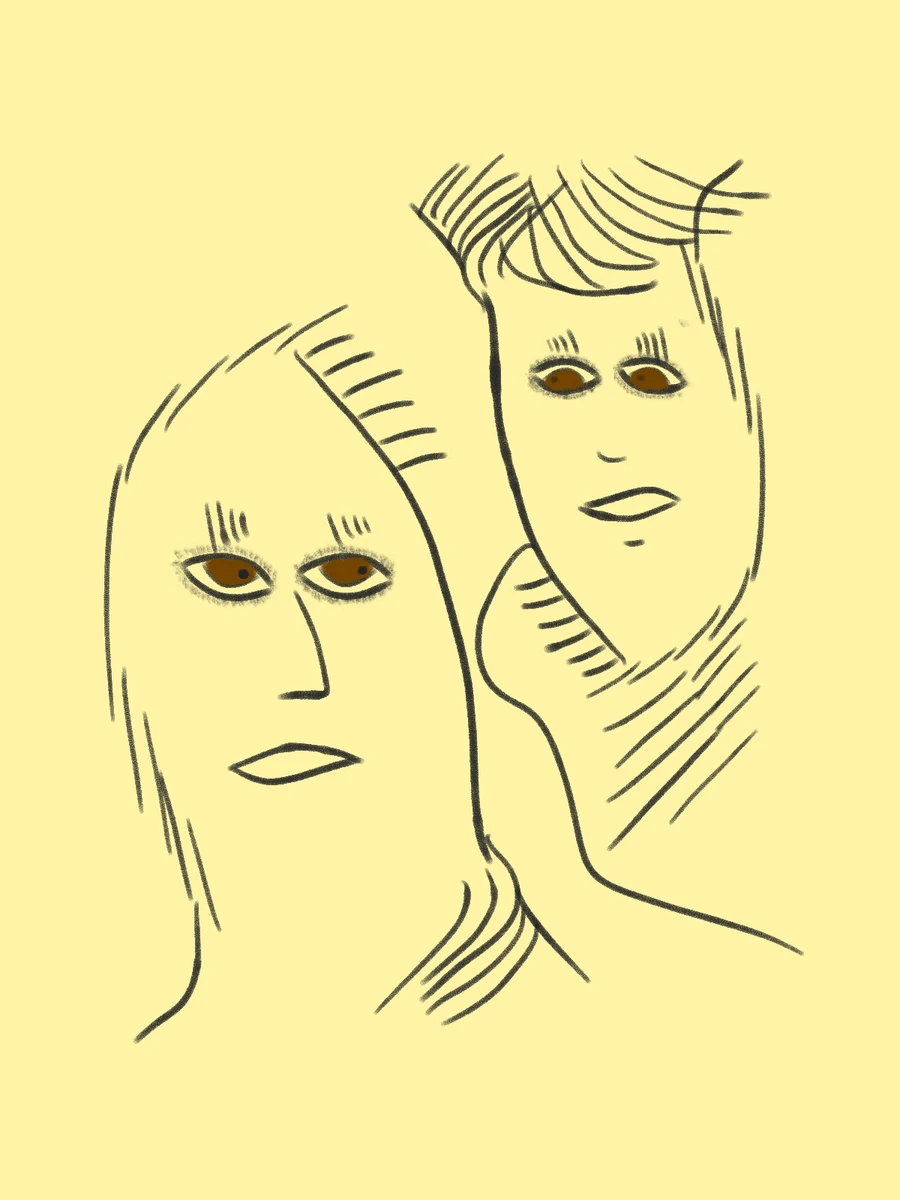
In “Venus & Mars,” the piece visually interprets the classical dichotomy between the feminine and masculine archetypes. The use of a soft, muted yellow background creates a neutral space where these representations can coexist and converse. The sketched lines that form the faces are minimal, yet expressive, suggesting an underlying complexity within the simplicity.
The two faces are juxtaposed, their features an interplay of the gentle curves traditionally associated with Venus, the embodiment of femininity, and the more angular, stark lines that often characterize Mars, the symbol of masculinity. The eyes of both figures are particularly telling—while sharing the same color, their expressions differ, capturing the depth and variance of perspectives between genders.
There is an elegance to the economy of line and form used to depict the faces, which speaks to the essential qualities that define the identities of Venus and Mars. Yet, the overlapping lines suggest an interconnectedness, a shared humanity that transcends gender-specific attributes. It’s a visual reminder of the commonalities that bind, regardless of the differences that are often emphasized.
The artwork may not depict a direct confrontation or harmony between the sexes but instead offers a contemplative view on the nature of gender identities. It encourages a reflection on how these identities are constructed, perceived, and interwoven into the fabric of human experience.
“Venus & Mars” is thus a subtle narrative on the interplay between the feminine and masculine, inviting the viewer to explore the nuances of each and the spaces where they may intersect. The piece quietly alludes to the balance of these forces within and around us, each contributing its distinct energy to the dance of existence.
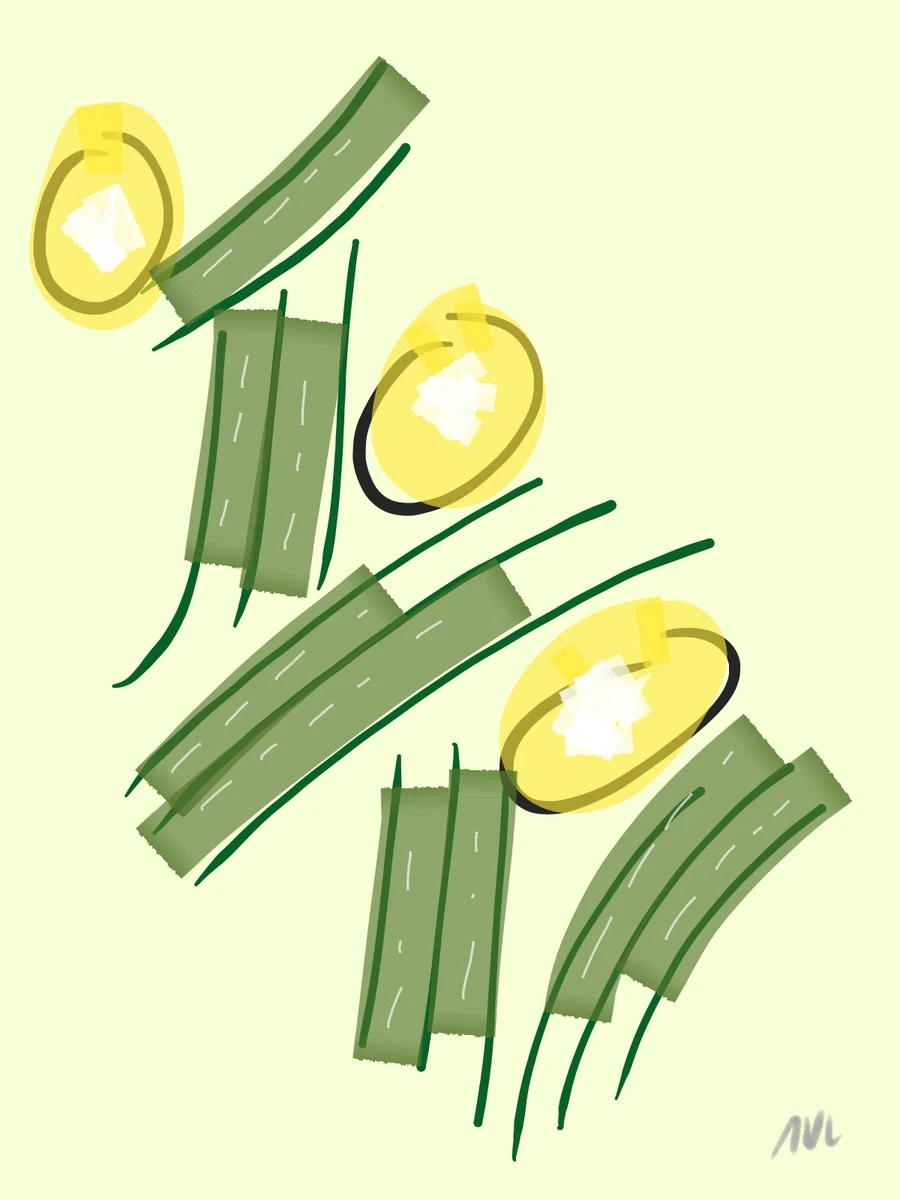
The artwork titled “Fields” evokes the serene and bountiful essence of pastoral landscapes. The composition utilizes a refreshing palette of greens and yellows to depict an abstraction of agricultural splendor. The light green background serves as a canvas of early morning light, a soft glow that gently wakes the day.
Upon this backdrop, the strokes of darker green suggest rows of crops or furrows in a field, a pattern that speaks to the order and rhythm of rural life. The shapes are painted with a confident hand, each line contributing to the sense of growth and fertility. The texture within these strokes gives a nod to the tactile reality of leaves and stems, the very sinews of nature’s bounty.
The circles of yellow with their white highlights stand in for the sun-drenched produce or perhaps the sun itself as it casts its life-giving rays upon the earth. These forms are both geometric and organic, their edges softened, much like the way the sun’s light diffuses through morning mist.
The simplicity of the elements within “Fields” belies a depth of narrative. There is a dialogue here about the cycles of nature, the quiet yet profound processes that underpin our very existence. The artwork is a celebration of the earth’s sustenance and the simple, essential beauty of the cultivated land.
This piece invites the viewer to pause and reflect on the connection between humanity and the land, the harmony of cultivation, and the rhythms of nature that are often overlooked in the rush of daily life. “Fields” is a visual hymn to the earth and its endless capacity to nourish and sustain.
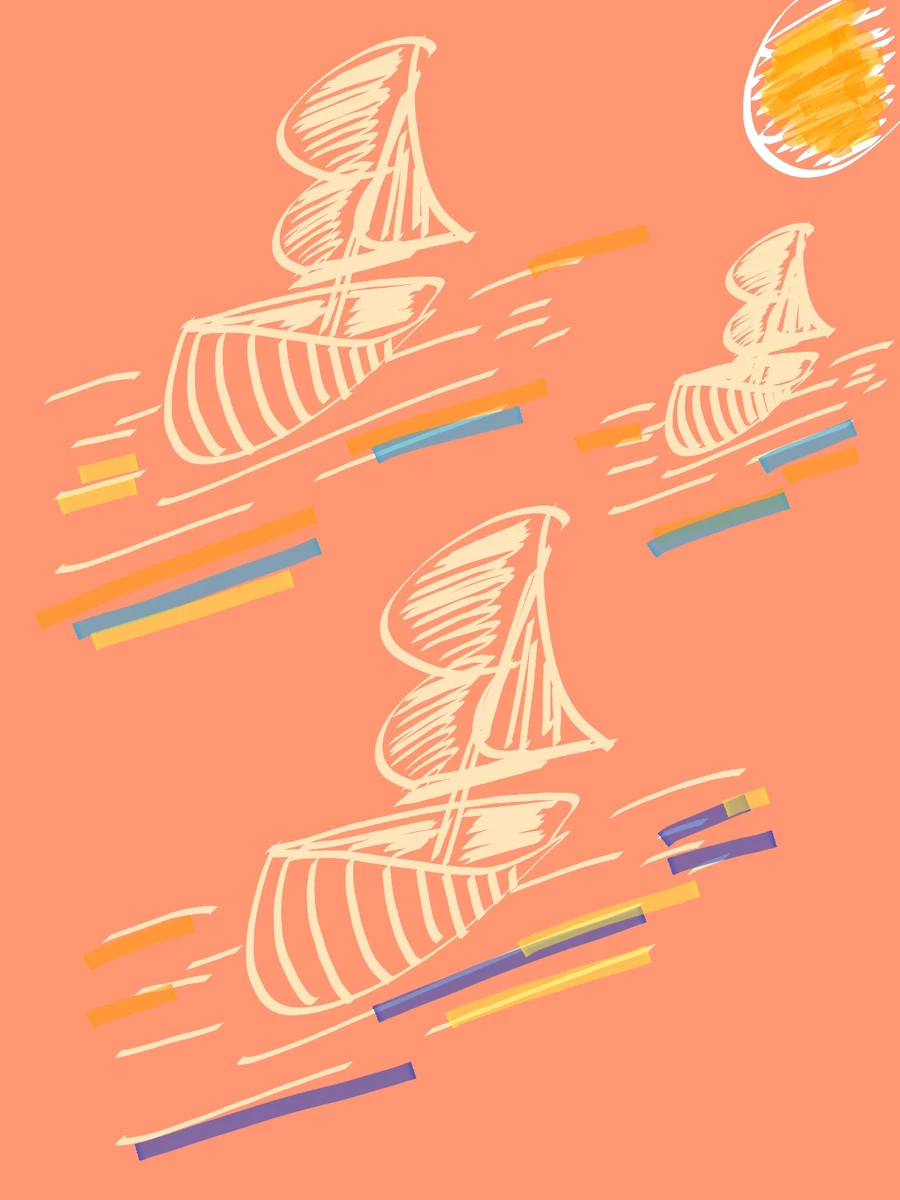
“The Boats” is a serene composition that captures the essence of leisure and the gentle caress of a sea breeze. The artwork, with its soft pastel backdrop of coral, evokes the warmth of a setting sun against a tranquil sea. The simplicity of the form and the subdued use of line work for the sailboats convey a sense of calm and clarity.
The sailboats are sketched with an economy of detail, their sails billowing in a non-existent wind, yet there is a palpable sense of movement within the stillness. The lines and curves are suggestive rather than definitive, allowing the viewer’s imagination to fill in the gaps, to hear the soft flapping of the sails and the gentle lapping of waves against the hull.
The varying orientations and sizes of the boats create a dynamic rhythm, as if each is following its own course, yet all are in harmony with the elements. The strokes of yellow, blue, and white that dash across the canvas bring to mind the reflection of light on water, the playfulness of maritime flags, or perhaps the distant glint of a lighthouse.
This piece is an ode to the quiet joy of sailing, the freedom found in the expanse of the open water, and the peace that comes with being adrift, yet guided by the breeze. It invites contemplation of the journeys we undertake, both literal and metaphorical, and the simple pleasures that sustain us along the way.
“The Boats” is a visual whisper, a call to embrace the slow and rhythmic pace of nature, to cast off the moorings of daily life and to find solace in the vastness of the sea and sky.
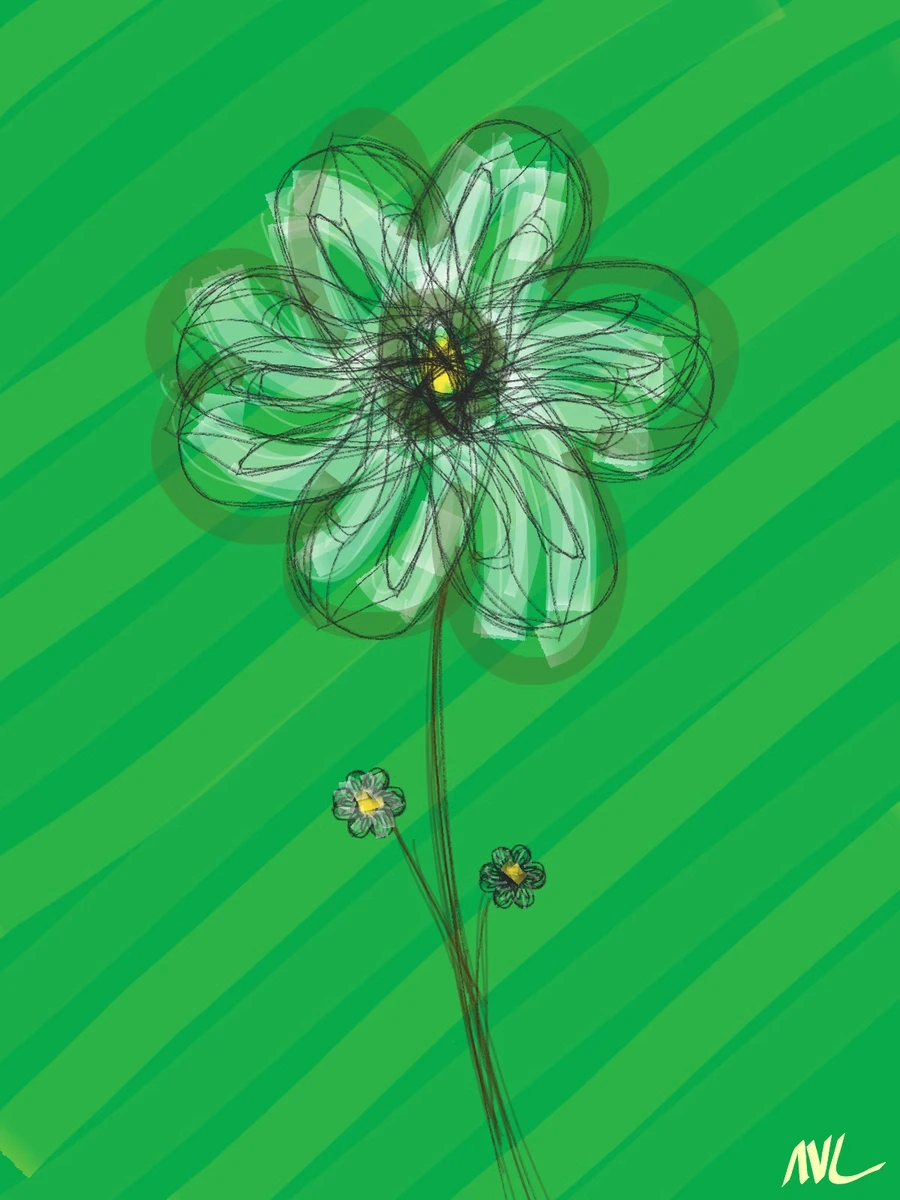
“Flower” is a creation that celebrates the vitality and delicate beauty of plant life. The artwork features a central flower depicted with translucent, overlapping strokes, giving it a sense of depth and dynamism, as if it is gently swaying in a silent breeze. The green hues that dominate the scene evoke the lushness of a verdant meadow, a reminder of the natural world’s enduring vibrancy.
The use of a vivid green background with subtle variations in tone suggests a field or a canvas of foliage, upon which the flower stands out as a natural masterpiece. The contrast between the detailed flower and the minimalist backdrop focuses the viewer’s attention on the intricate lines and forms that compose the bloom’s essence.
The smaller buds along the stem are rendered with a lighter touch, suggesting the potential for growth and the cyclical nature of life. They are at once part of the whole and yet distinct, each at a different stage of their lifecycle. This reflects the continuity of growth and the tender progression from bud to bloom.
The central flower, with its slightly unraveled petals and visible stamen, invites a closer look, a contemplation of the complexity found within simplicity. It is an embodiment of nature’s artistry, the subtle interplay of light, shadow, and structure that composes the beauty we often take for granted.
“Flower” is not merely a representation; it is an appreciation of the quiet grace found in the natural world. It stands as a digital homage to the organic, to the quiet strength and the soft resilience of flora.
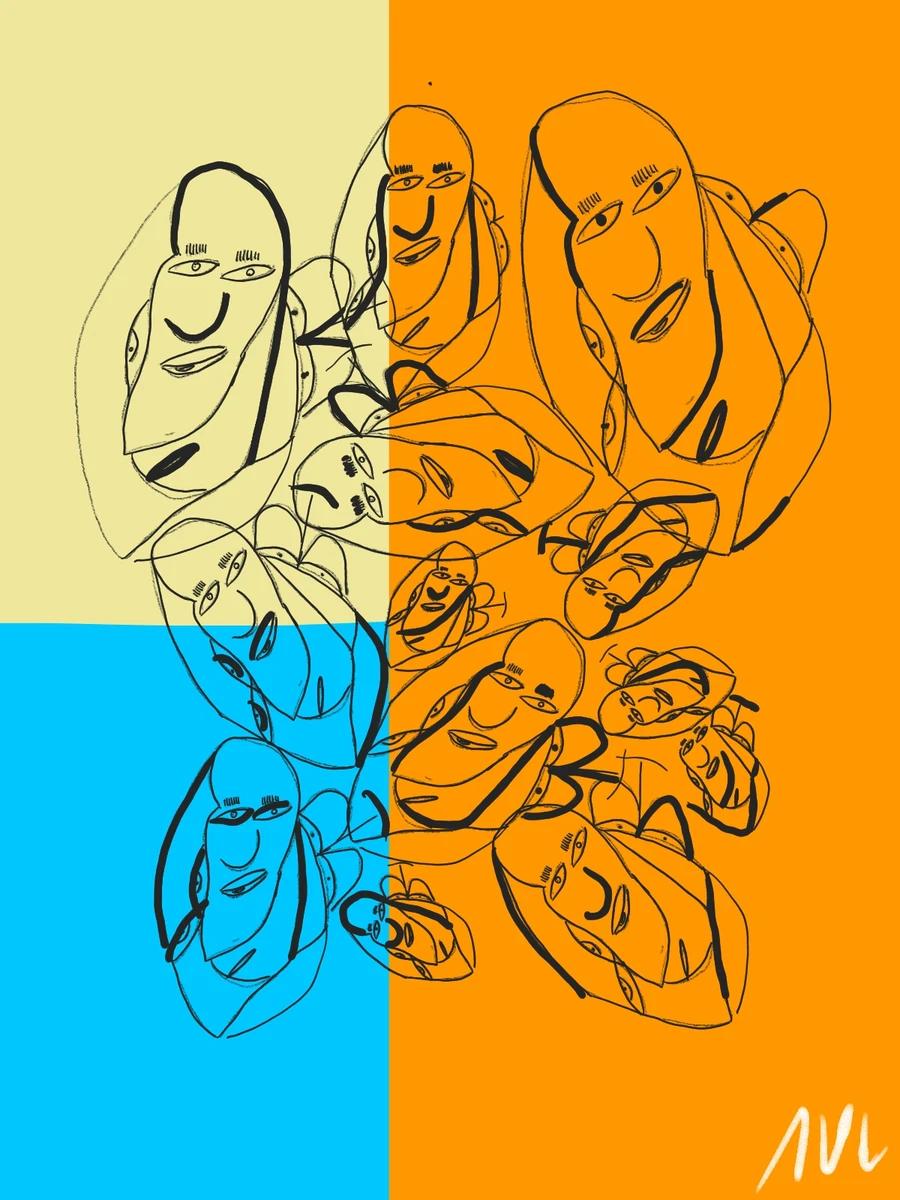
“Chatter” is a vivid expression of social interaction and the overlapping voices that define human communication. The artwork is segmented into three distinct color blocks, a sandy yellow and a sky blue, each filled with an array of faces outlined in a contrasting orange and blue. This choice of color not only visually separates the clusters but also may symbolize different spheres or environments where dialogue occurs.
The faces themselves are stylized and abstract, with exaggerated features that convey a range of emotions and expressions. They are layered upon each other, some clear and in the foreground, others fading into the backdrop, much like the ebb and flow of conversation in a crowded room.
The repetition and variation of faces suggest the multiplicity of stories, personalities, and perspectives that animate human discourse. There’s a sense of movement within the still image, an auditory illusion of murmurs and laughter, debates and whispers, all converging into the visual cacophony of “Chatter.”
This piece reflects on the beauty and chaos of communication, the fundamental human need for connection, and the complex, sometimes dissonant, symphony of community and conversation. It captures the essence of our social nature and the layered complexity of our interactions.
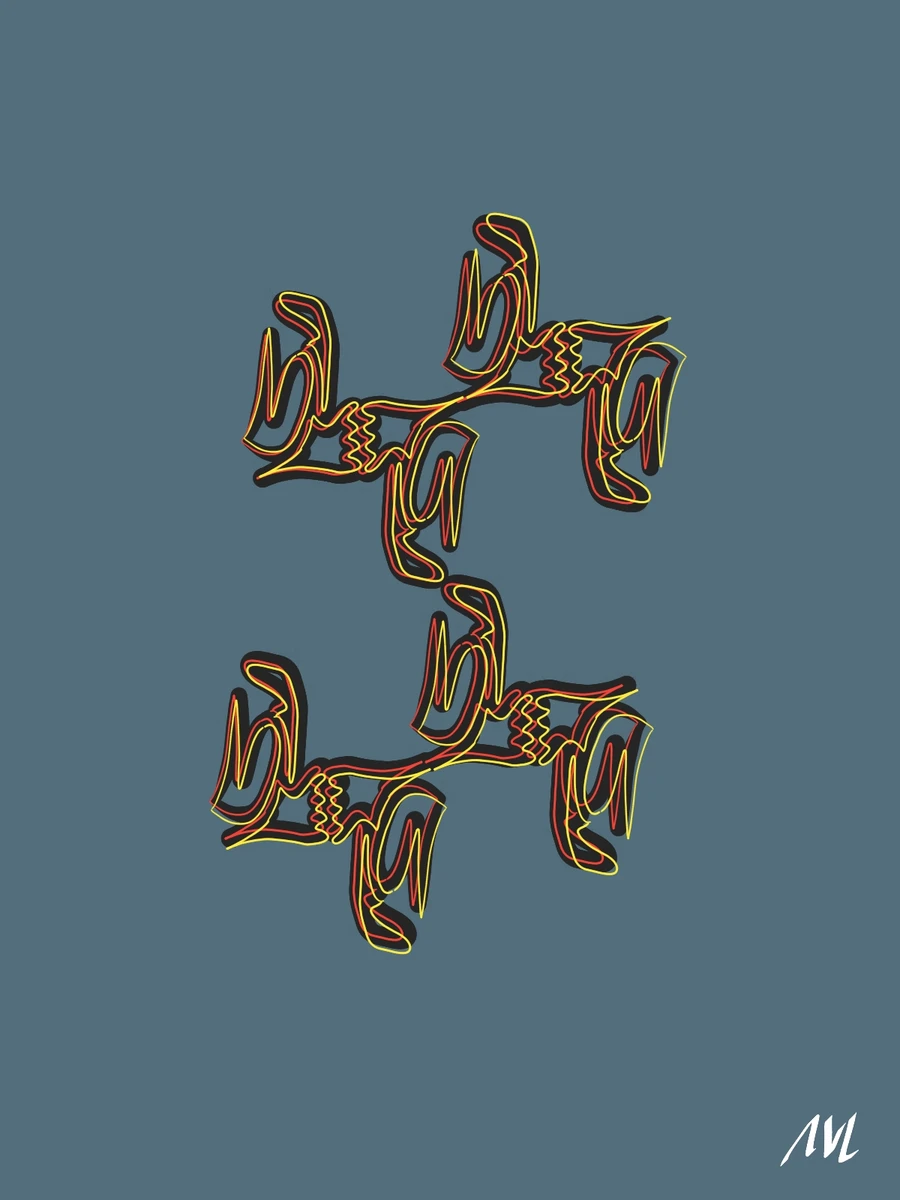
“Chandelier” is an abstract representation that seems to draw inspiration from the ornate and symmetrical forms of its namesake. The artwork is composed of flowing, interconnected shapes, creating a pattern that is both complex and harmonious. Each element is outlined in a thin red line, with hints of yellow and a warm glow that mimic the reflective quality of light through glass or crystal.
The deep gray background provides a neutral space that allows the intricate design to stand out, much like a chandelier would against the muted ceiling from which it hangs. The choice of color and the subtle gradient give the impression of depth and elegance, a nod to the ambient atmosphere that a chandelier creates in a room.
The symmetry of the design is reminiscent of the careful crafting that goes into a real chandelier, with each curve and line meticulously placed to create a balanced whole. Yet, the abstract nature of the image invites the viewer to interpret the shapes in various ways, seeing past the literal to the imaginative.
This digital creation explores the interplay between light and structure, form and function, beauty and utility. “Chandelier” is a modern take on a classical object, reimagining it not as a source of light but as a source of artistic inspiration.
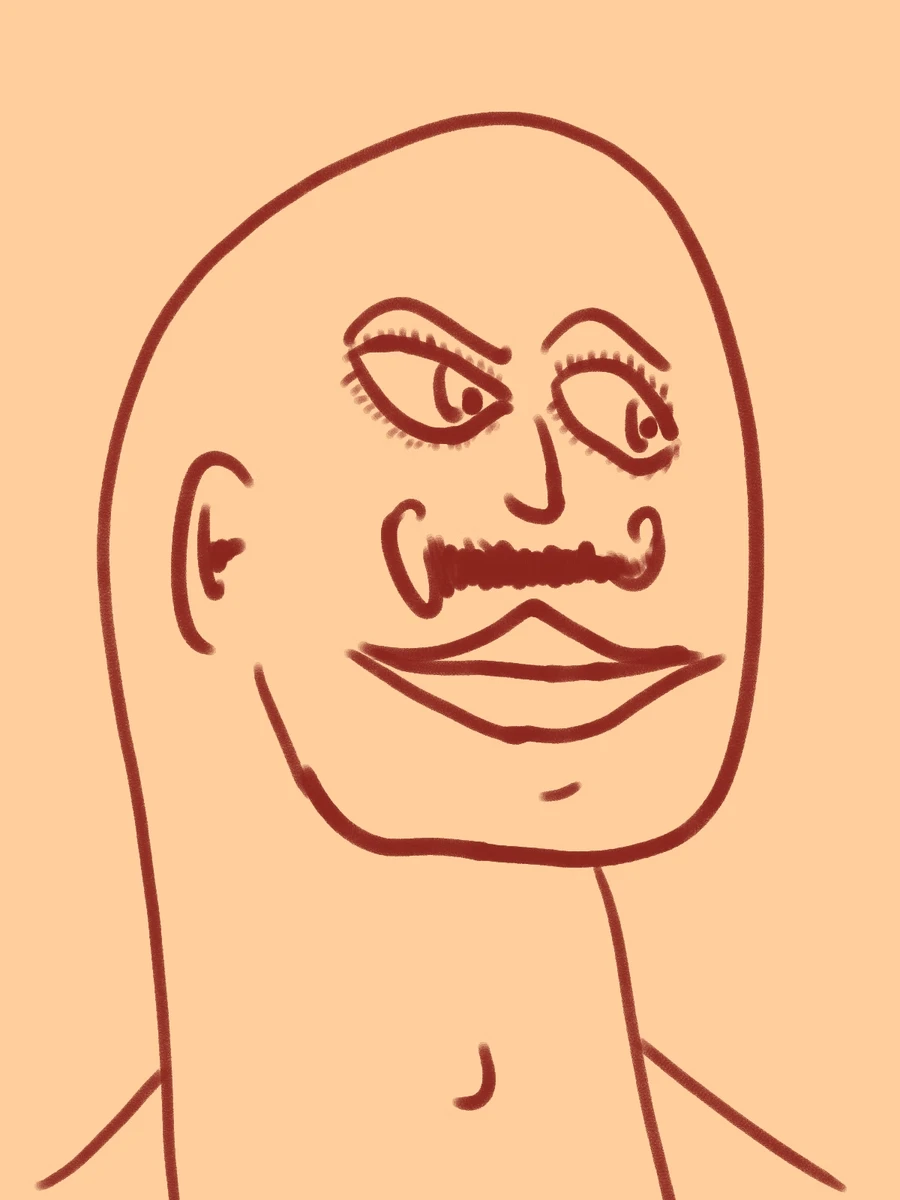
The Circus is an intriguing exploration of form and expression that borders on the surreal. The line art, rendered with a playful yet thoughtful precision, captures a face that defies conventional anatomy, suggesting a visual riddle that is open to interpretation. There’s a whimsical, almost theatrical quality to this piece, as if the subject has stepped out of a peculiar circus of shapes and landed onto the canvas.
The visage is a compilation of features drawn with an almost melodic rhythm, creating a symphony of lines that dance between the absurd and the profound. The eyes, full of a knowing gaze, seem to follow the viewer, engaging them in silent conversation. The mustache adds a dash of humor, a nod to the vaudevillian, and serves as a whimsical anchor in the sea of fluidity that is the face.
This image, set against a monochromatic backdrop, is a celebration of the absurdity that can be found in the mundane. It reminds us that the world is full of spectacle if we only look at it through a lens of playful creativity. The piece does not take itself too seriously, yet it commands attention and contemplation, much like a clown who is a philosopher at heart.
In this artwork, the subject is not just a character but a narrative in itself, a story of how perspective and light-hearted distortion can turn the ordinary into a carnival of the mind. It is a visual jest, a tickle to the intellect, and a whisper to the soul that says, “Come, let us find wonder in the bizarre.”
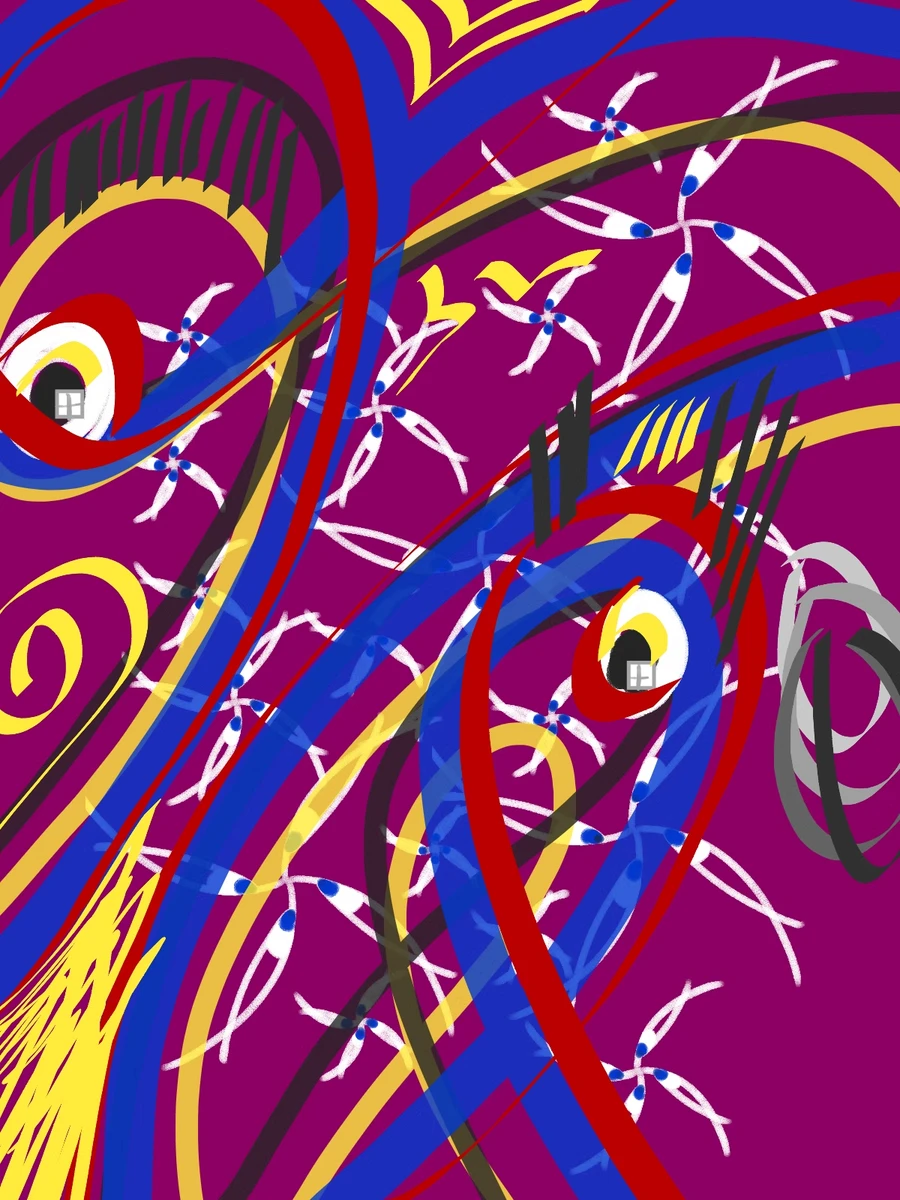
“Ezkizo” is a vivid portrayal of mental and visual stimulation, a piece that seems to pulsate with life and energy. The use of bold, contrasting colors and dynamic shapes creates an electric atmosphere that resonates with the vibrancy of thought and creativity. The swirling forms mimic the frenetic activity of synapses within the brain, each twist and turn representing the spark of new ideas and connections being made.
At the heart of this kaleidoscopic whirlwind are two eye-like portals, drawing the viewer into the depths of perception and understanding. These focal points serve as anchors amidst the chaos, suggesting that within every burst of creative energy, there is a moment of clear vision and insight.
The background’s magenta hue enhances the intensity of the overlaid patterns, giving the composition a sense of depth and complexity. The scattered white and blue elements resemble neurons, further emphasizing the theme of an active, engaged mind.
“Ezkizo” is an exploration of the cognitive dance between chaos and order, the way our minds can hold onto clarity while surrounded by a storm of thoughts. It is a celebration of the human capacity for innovation and the joy found in the process of creation.
This artwork is not just a feast for the eyes but a metaphor for the intellectual symphony that plays within us all. It is a visual ode to the imagination, to the beautiful tumult that is thinking, dreaming, and creating.
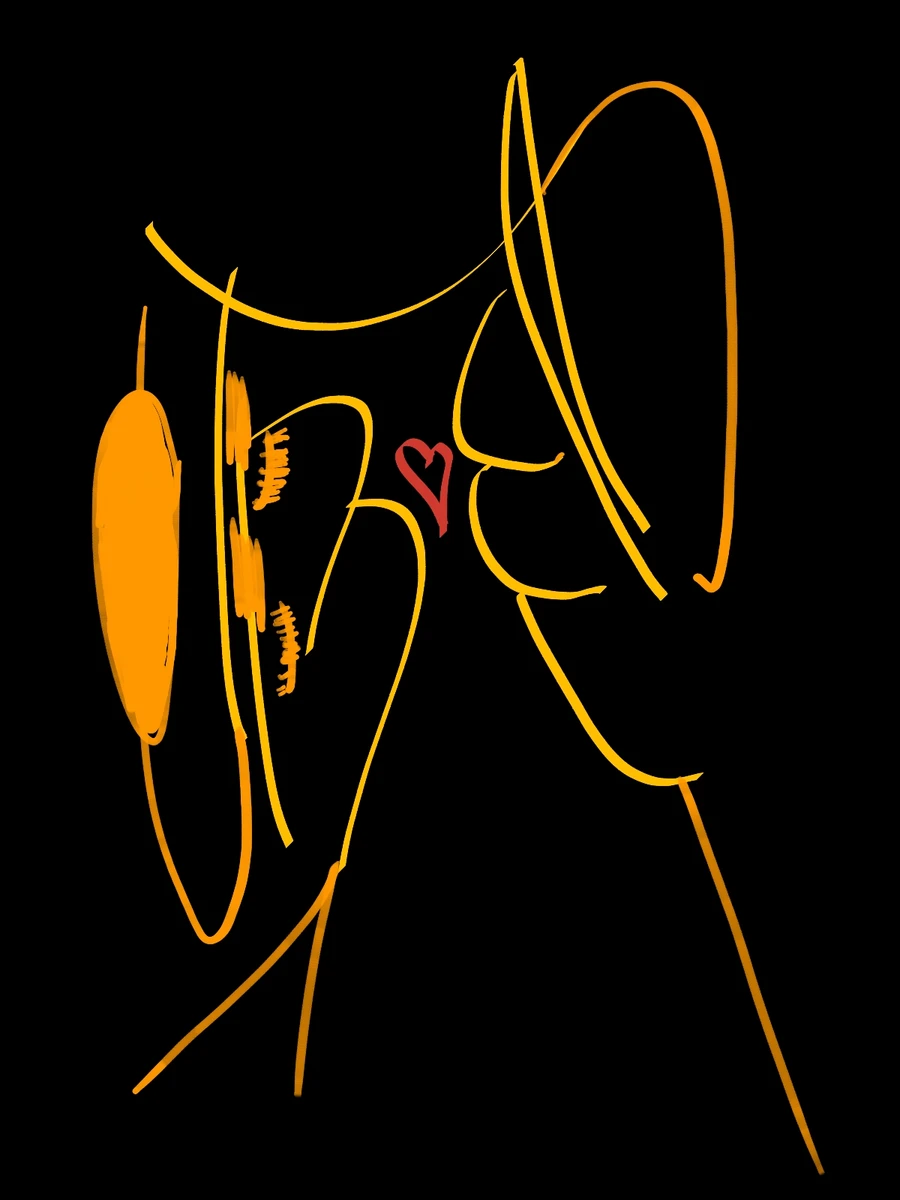
“The Kiss” is an eloquent abstraction of intimacy and connection, using minimalistic forms and a starkly contrasting palette to convey the essence of a tender moment. The artwork is dominated by fluid, golden lines on a deep black background, evoking the feeling of warmth and light that love brings into the darkness.
The lines themselves are graceful and organic, their movements reminiscent of a gentle embrace or the soft meeting of lips. There is a simplicity in the execution that speaks volumes, suggesting that in love, the quietest gestures often hold the most meaning.
At the center of this visual symphony is a solitary red heart—a classic and potent symbol of love. Its placement is subtle yet deliberate, drawing the eye and heart of the viewer to the emotional core of the piece. This tiny splash of color amidst the sweeping gold lines serves as a visual metaphor for the heart’s vulnerability and strength when giving or receiving love.
“The Kiss” is not only a representation of love but an invitation to the viewer to reflect on the intimate moments that mark our lives. It is a reminder that within the grand tapestry of human experience, these instances of connection are golden threads that bind us together.
This artwork encapsulates the beauty of minimalism and how it can capture the human experience’s complexity with just a few strokes. It is a silent poem, a dance of joy and affection, a celebration of the heart’s capacity to speak without words.
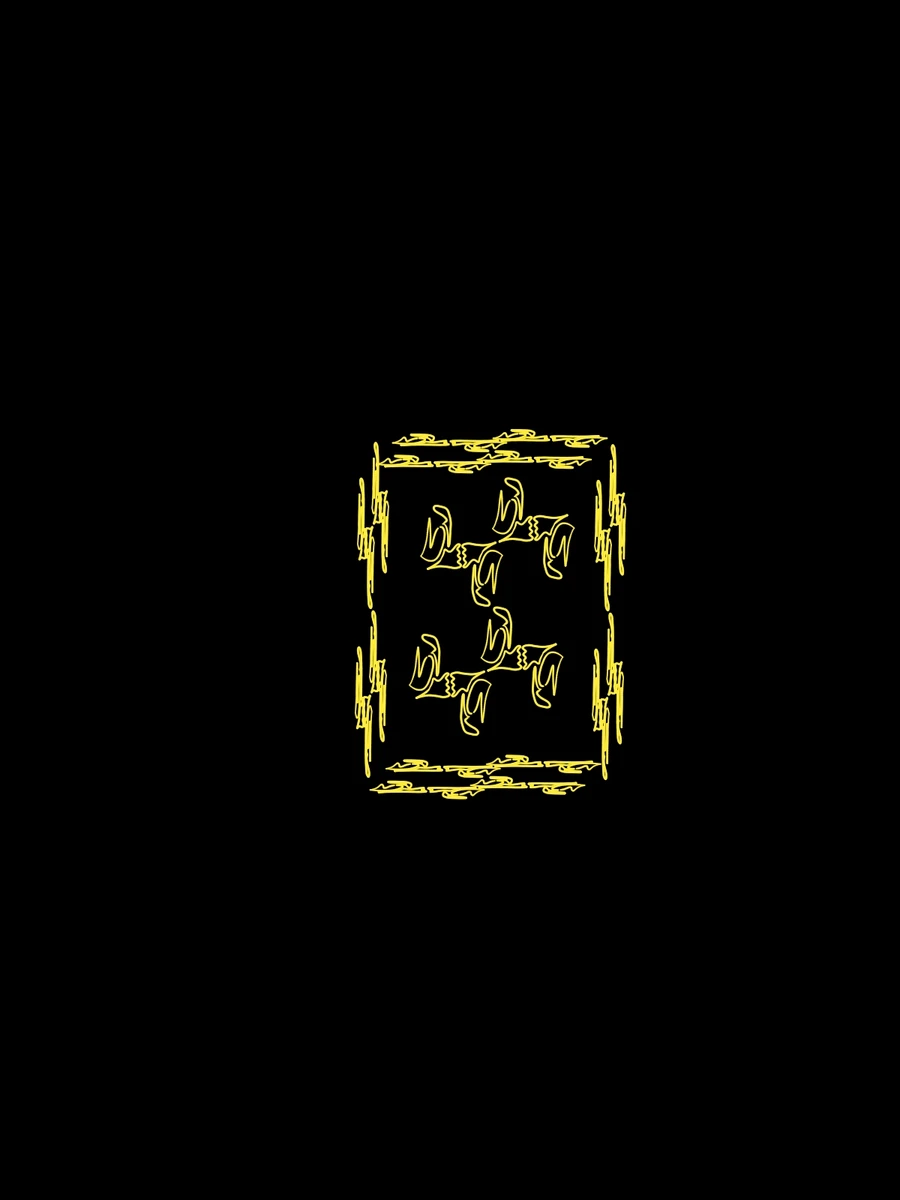
“The Frame” is a compelling abstract work that captures the eye with its stark contrast and mesmerizing symmetry. The use of a singular, vibrant gold against the infinite depth of black creates a visual and metaphorical depth. This piece is a representation of the frameworks that shape our lives—the unseen structures that hold our realities together.
At the core of this image is a square, the epitome of balance and stability, surrounded by an undulating pattern that suggests movement and energy. It is as if the static nature of the square is being challenged and animated by the dynamic waves around it, symbolizing the constant interplay between order and chaos in our lives.
The patterns within “The Frame” resonate with a musical quality, reminiscent of sound waves captured visually. This could be seen as a depiction of how our lives are composed of different rhythms and frequencies, each one contributing to the whole symphony of existence.
It simply invites contemplation on the seen and unseen forces that surround us, the boundaries we operate within, and the beauty that can be found in the structures we often take for granted. It is an acknowledgment that within every constraint there is the potential for beauty, and within every form, there is the essence of energy waiting to be explored.
This piece challenges the viewer to perceive beyond the superficial, to see the golden threads that weave through the tapestry of life, and to find harmony in the contrasts that define our world.
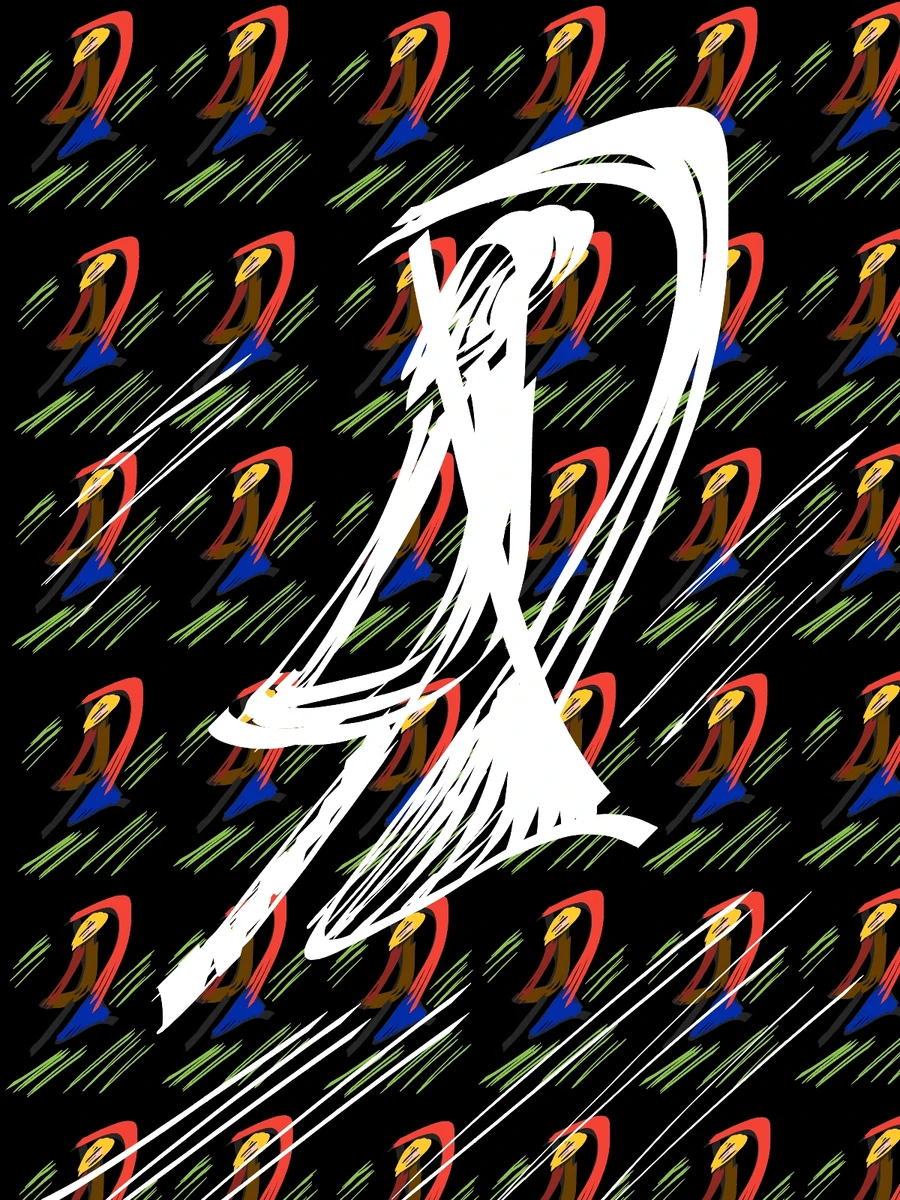
“Flamenco” is a striking visual symphony that exudes the dynamic flair and passionate energy associated with its namesake dance. The central figure, depicted in sweeping white strokes against a stark black background, captures the fluidity and grace of a dancer in motion. The abstract form conjures the swirl of a skirt, the arch of a back, or the dramatic pose struck by a performer at the height of their art.
Surrounding this central figure are repeating patterns of colorful forms reminiscent of the traditional dress and poise of flamenco dancers. The repetition creates a sense of movement and rhythm, echoing the beats and claps that underscore the intense emotional expression of the dance.
The background is interspersed with sharp, diagonal green lines that suggest the strumming of a guitar, the vibration of music that propels the dance. These elements converge to evoke not just the visual spectacle of flamenco but also the auditory and emotional experience.
“Flamenco” is an invitation to the viewer to feel the music and movement leap off the canvas and to be swept away by the passionate narrative that the dance tells. It is a homage to the power of cultural expression to evoke a visceral response and to communicate beyond words.
This artwork is a testament to the vitality of tradition and the beauty of expressive movement. It is both a celebration of flamenco’s rich heritage and a contemporary reinterpretation of its visual and emotional impact.
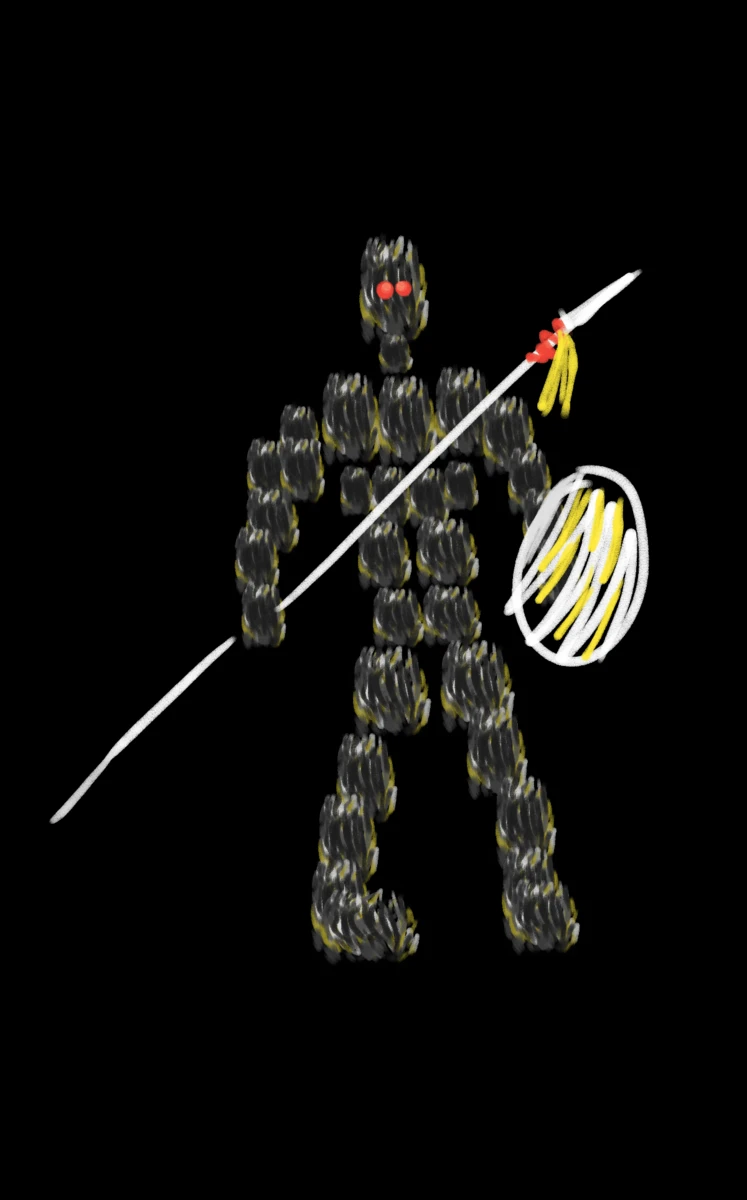
“Warrior” presents a bold and evocative figure, crafted with a rich texture that suggests a composition more complex than what meets the eye. This being is armored in hues of granite, its stance poised and ready for an unseen adversary. The strokes that make up its form resemble rough-hewn stone, imparting a sense of enduring strength and resilience.
The red eyes of the warrior blaze with a quiet intensity, hinting at the fiery spirit that animates this formidable silhouette. They serve as the focal point of the composition, a pair of glowing embers that tell of battles past and the unquenchable will to persevere.
In one hand, the warrior wields a lance that cuts a clean, straight line across the canvas, a stark contrast to the textured complexity of its bearer. This weapon, rendered with simplicity, symbolizes the clarity of purpose, the sharp focus required in combat. The other hand bears a shield, a swirl of protective energy that guards against the chaos of conflict.
The black void that surrounds the figure emphasizes its isolation, the solitary nature of the warrior’s path. Yet, there is an elegance to this solitude, a noble bearing that speaks to the honor and dignity found in standing guard over one’s values and loved ones.
“Warrior” is more than a depiction of a fighter; it is an homage to the enduring human spirit that faces life’s adversities with courage. It is a visual representation of the inner battles we all fight, the personal struggles that test our mettle and forge our character.
This artwork resonates with the timeless narrative of the hero’s journey, inviting the viewer to reflect on their own trials and triumphs, and to find kinship with the universal quest for meaning and mastery.
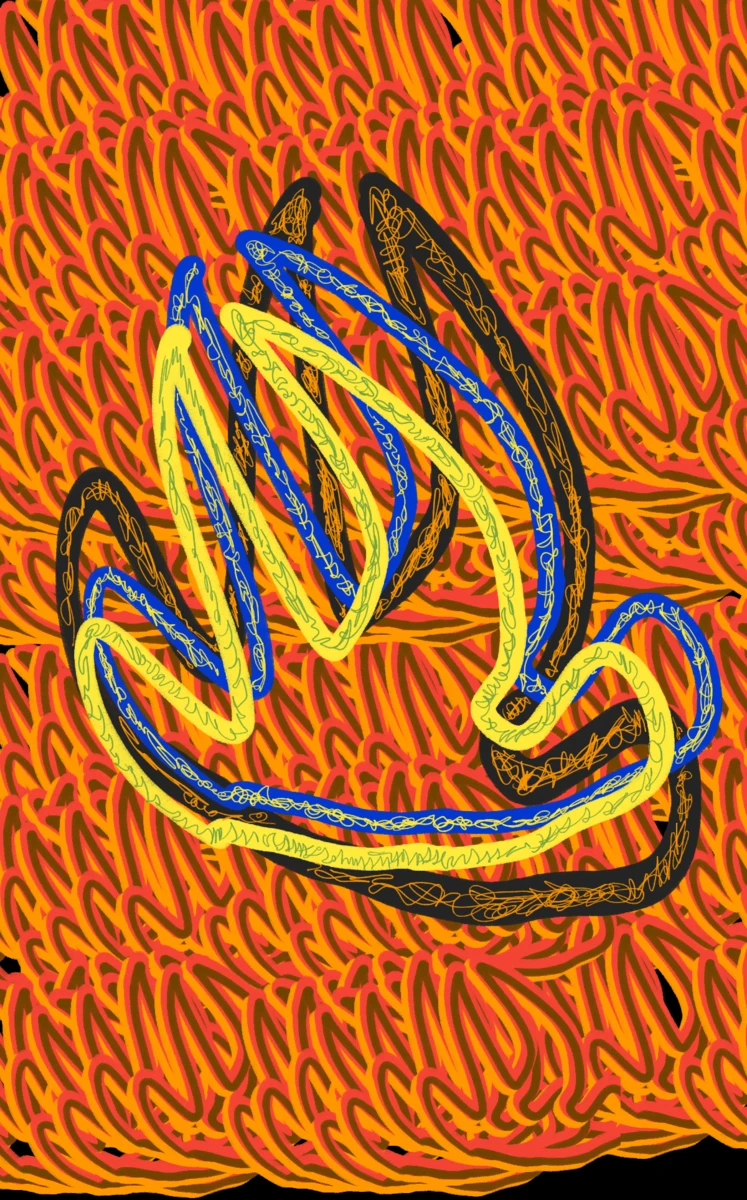
“Phoenix” is a mesmerizing depiction of transformation and renewal, portrayed through a fiery tapestry of intertwining shapes and colors. The artwork is alive with the undulating forms that evoke the mythical phoenix’s essence, rising from the ashes in a blaze of glory. The warm, vibrant hues of orange and red dominate the piece, suggesting the intense heat and energy of a flame that refuses to be extinguished.
The central forms, rendered in contrasting blue and yellow, spiral upwards, embodying the phoenix’s ascent. These cooler colors within the heart of the inferno provide a visual representation of the creature’s immortality and purity, undeterred by the flames that consume and renew it.
The detailed patterns within the coils hint at the complexity of rebirth, the intricate dance of destruction and creation that defines the phoenix’s legend. There is a sense of movement within the still image, a dynamic flow that captures the viewer’s gaze and draws them into the cyclical narrative of life, death, and resurrection.
“Phoenix” is not just an image but a visual saga that speaks to the resilience of the spirit and the eternal cycle of renewal that is found in nature and within ourselves. It is an invitation to contemplate the transformative power of trials and the beauty that can arise from the ashes of what was once thought lost.
This piece transcends the myth and becomes a symbol of hope, a reminder that from the end springs a new beginning, vibrant and full of potential. It is a celebration of the relentless force of life and the enduring flame of the human will.
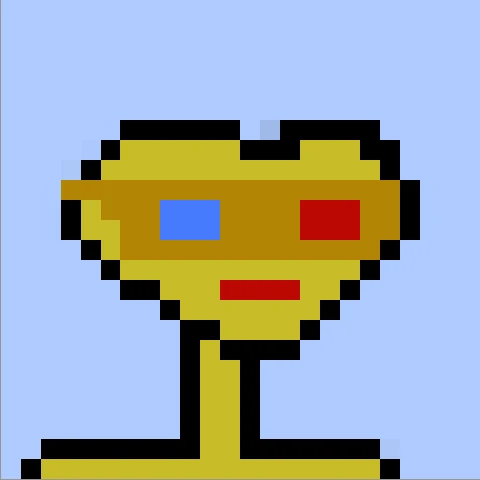
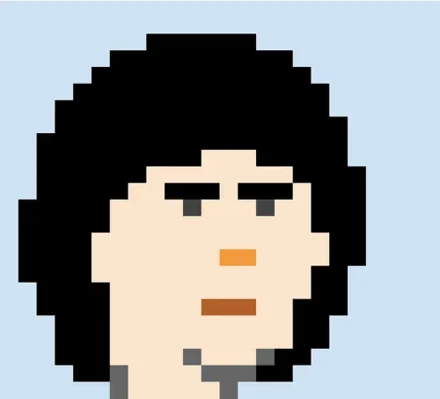
“Asogian” presents a playful take on the pixel art form specifically in the Generative AI realm. It offers a modern reinterpretation of the classic, digital aesthetic. The image is composed of large, deliberate pixels that come together to form a charming and quirky face. The simplicity of the shapes and the limited palette speak to the nostalgic era of early video games, where characters were created from a limited graphical vocabulary.
The face is marked by asymmetrical eyes, one blue and one red, giving it an inquisitive and somewhat mischievous expression. This delightful imperfection adds character and invites the viewer to ponder the story behind those pixelated features. The broad, yellow-toned smile adds warmth to the composition, contrasting with the coolness of the blue background and suggesting a friendly, if enigmatic, personality.
The choice of a square format for the artwork reinforces the theme of pixels and digital creation, reminding us of the screens that have become so central to our lives. This piece not only captures the essence of a character but also celebrates the evolution of digital art and the way simple elements can come together to create an engaging visual narrative.
“Asogian” is a tribute to the digital roots of our current, complex technological world. It reminds us of the joy found in the basics of digital creativity and the endearing qualities that can emerge from the simplest of designs.
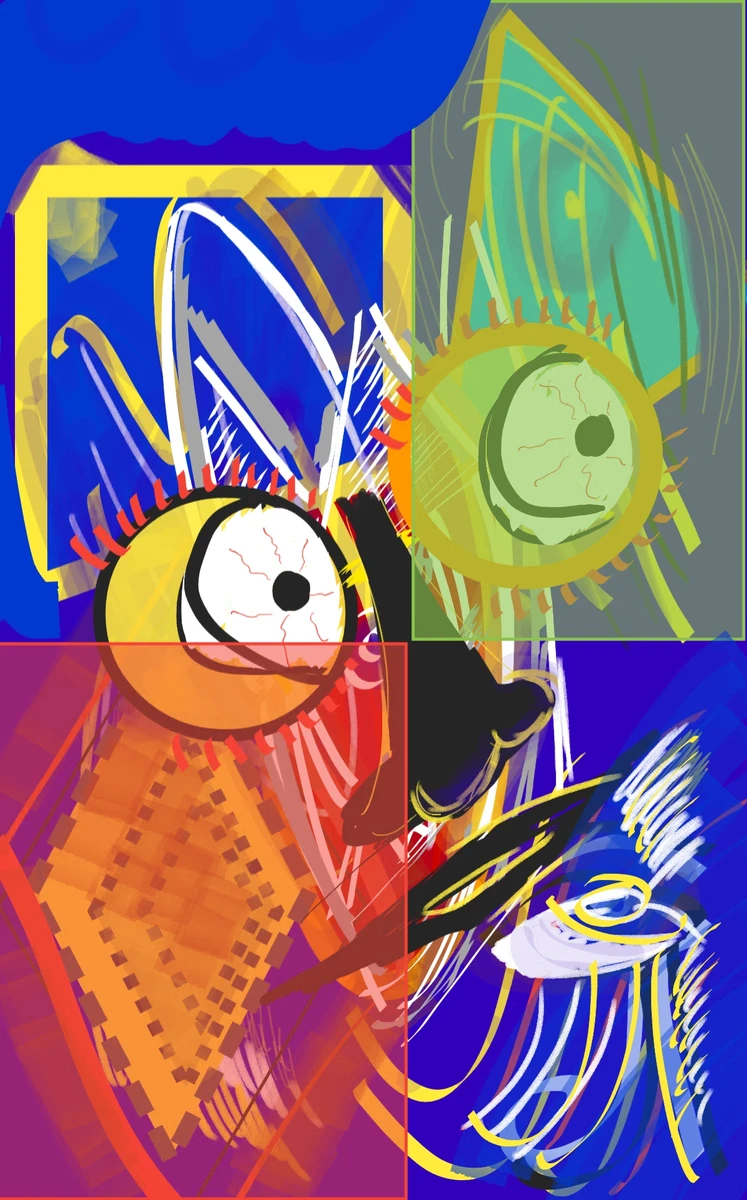
“Eyes of Terror” is a complex tapestry of shapes and colors that converge to create a disconcerting yet fascinating visual experience. This artwork captures the essence of an abstract psychological landscape, where the gaze is both the observer and the observed. The multiple eyes, each set within a chaotic mix of lines and textures, give a sense of being watched from every angle, creating an atmosphere of intensity and unease.
The bold use of primary colors alongside the piercing eyes injects the piece with a raw energy. Each quadrant of the image seems to represent a different emotional state or viewpoint, with the eyes serving as windows to a tumultuous soul. The contrasting colors and forms around these eyes enhance the sensation of a fragmented reality, where perception is distorted, and nothing is quite as it seems.
The painting’s aggressive brushstrokes and sharp angles contribute to the theme of terror, suggesting a visual cacophony that can be both overwhelming and captivating. The eyes, with their varying expressions, appear to be caught in moments of surprise, fear, and anxiety, reflecting the complex nature of human emotions.
“Eyes of Terror” is an invitation to explore the multifaceted nature of fear and the psychological impact of being under constant scrutiny. It is a powerful reminder of the complexity of the human psyche and the primal emotions that lurk beneath the surface of our consciousness.
This piece is not just a collection of images but a narrative on the nature of observation and the unsettling feeling that comes with the realization that we are never truly alone in our thoughts or fears.
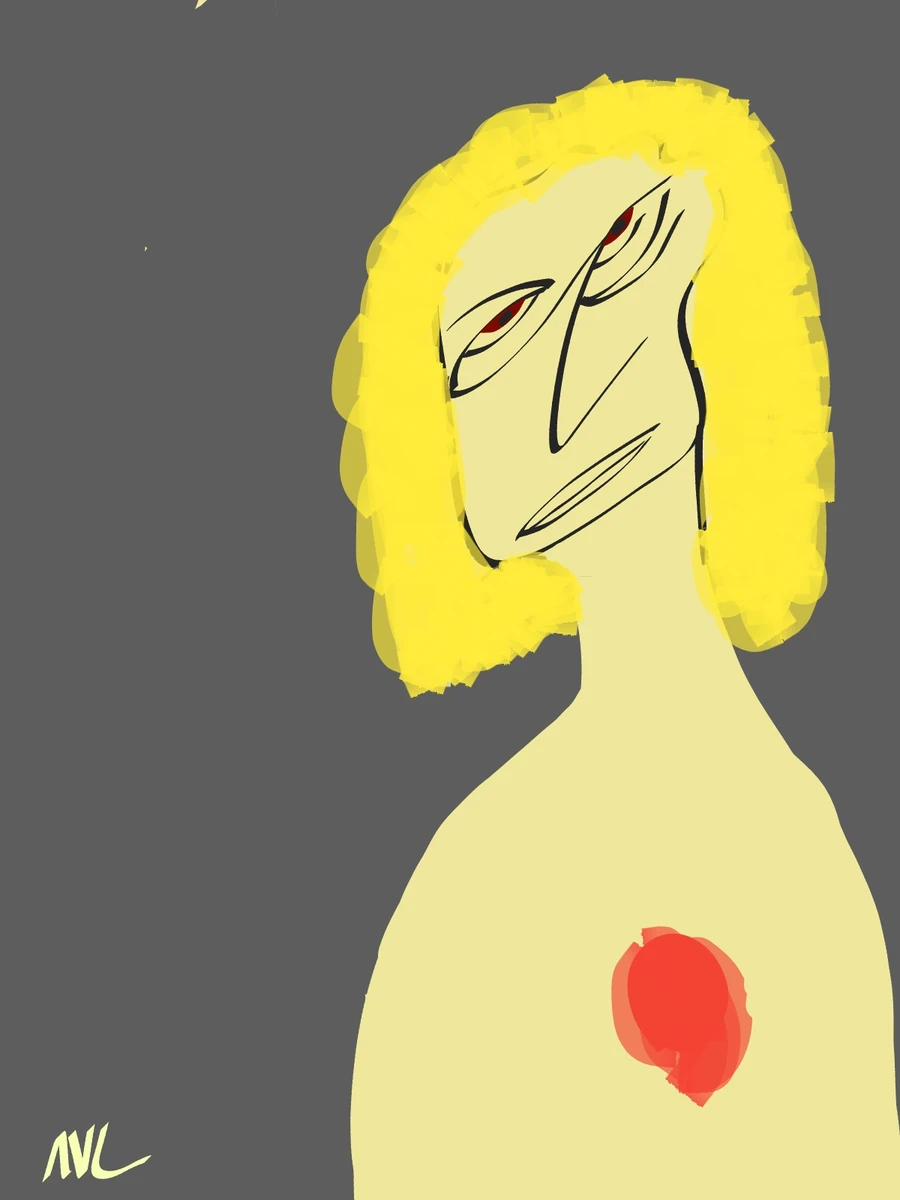
“Heart, Love, Pain” is a poignant portrayal of the human condition, rendered with an elegant simplicity that speaks volumes. The use of a muted, monochromatic palette emphasizes the solitary figure, whose posture and expression evoke a sense of introspection and melancholy. The stark contrast of the red accent over the heart area is a powerful visual metaphor for the emotional intensity that can reside within a seemingly serene exterior.
The figure’s features are sketched with a few deft strokes, giving just enough detail to convey a world of feeling. The eyes, with their sharp red gaze, seem to hold a depth of sorrow or longing, while the rest of the face remains impassive, suggesting a struggle to maintain composure or perhaps a resignation to the complexities of love and loss.
This artwork stands as a testament to the silent strength that often accompanies emotional pain. The red mark on the chest is at once a wound and a badge, symbolizing the heart’s vulnerability and its capacity for enduring love. The minimalistic approach allows the viewer to project their own experiences onto the canvas, making the piece deeply personal and universal in its message.
“Heart, Love, Pain” invites contemplation on the nature of love—the joy, the sorrow, and the peace that comes with accepting the full spectrum of its experience. It is a reminder that within the quiet moments of reflection, we often find our deepest connections to the human experience.
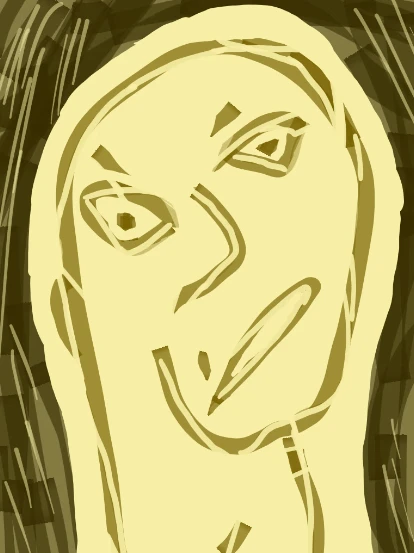
A collection of traits of all kinds, but one common trait in all of them, they are all pure to the core.
www.PureTraits.com
NFT Collections

The artist
Andy
Van Lich

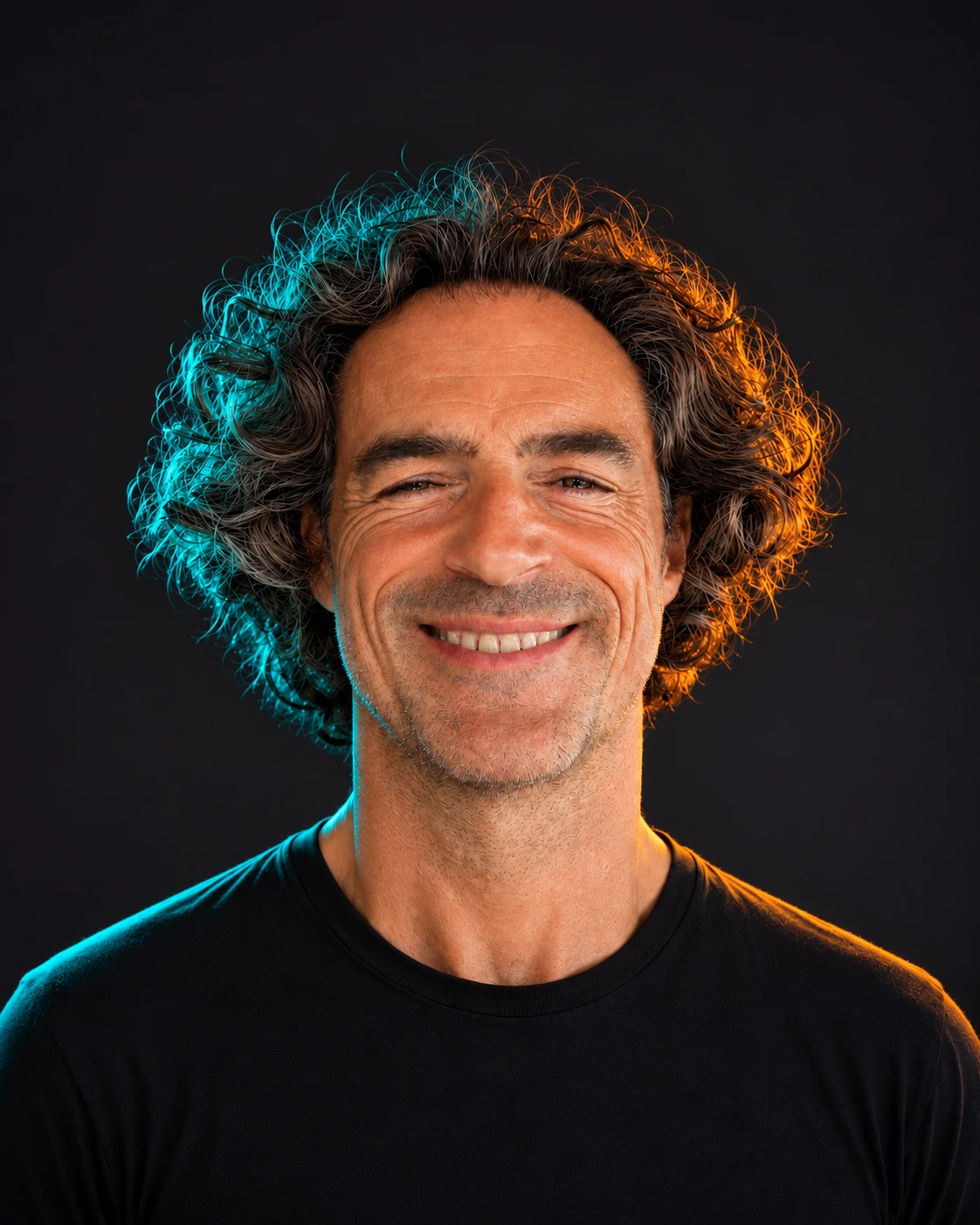
His work explores how much a line, a silhouette or a color can express.